
Best Vehicles for Car Camping on a Budget
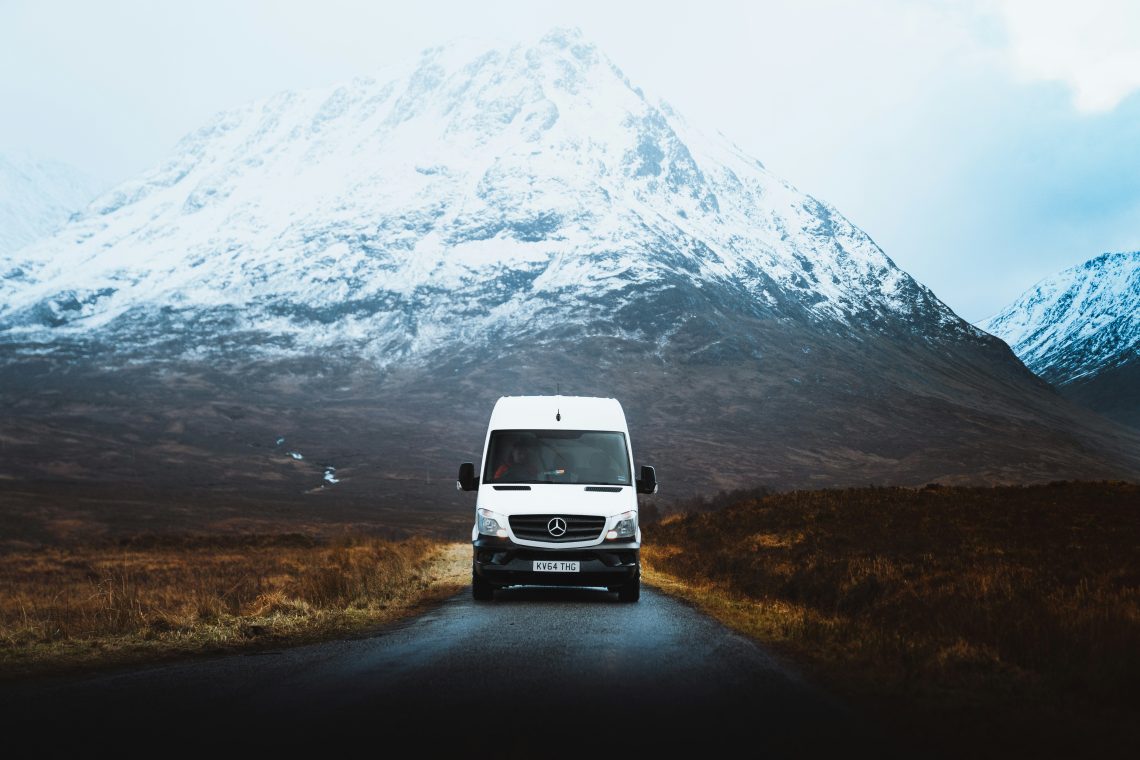
One of the biggest myths in the car camping and van life community is that you need an expensive vehicle to travel comfortably. Spend enough time on social media and you’ll start to believe that adventure only happens in a brand-new Sprinter van with solar panels, a rooftop deck, and a six-figure price tag.
The reality is much different.
Some of the most memorable road trips happen in ordinary vehicles that most people drive every day. In fact, many travelers discover that budget vehicles are not only more affordable but often more practical than larger, more expensive rigs. They’re easier to drive, cheaper to maintain, and far less stressful when you’re exploring unfamiliar places.
If you’re interested in car camping but don’t want to spend a fortune on a vehicle, you’re in luck. There are plenty of affordable options that can provide comfortable sleeping arrangements, decent storage space, and the freedom to hit the road whenever adventure calls.
The best vehicle for car camping isn’t necessarily the most expensive one. It’s the one that fits your budget, your travel style, and your comfort needs.
What Makes a Good Car Camping Vehicle?
Before looking at specific vehicles, it’s important to understand what actually matters for car camping.
Many beginners focus on appearances rather than functionality. They assume they need a rugged off-road vehicle or a massive camper van when their actual needs might be much simpler.
When evaluating budget vehicles, consider the following:
- Sleeping space
- Fuel economy
- Reliability
- Maintenance costs
- Storage capacity
- Ease of driving
- Purchase price
Notice that “looking cool on Instagram” isn’t on that list.
A reliable vehicle that allows you to sleep comfortably and reach your destination safely will always outperform an expensive vehicle that’s constantly in the repair shop.
Minivans: The Budget Champion
If someone asked me to recommend a single category of vehicle for affordable car camping, I’d probably point them toward minivans.
Minivans rarely get the same attention as adventure vans or rugged SUVs, but they offer tremendous value for travelers on a budget.
Vehicles such as the:
- Toyota Sienna
- Honda Odyssey
- Chrysler Town & Country
- Dodge Grand Caravan
provide a surprising amount of interior space while remaining relatively affordable. Many minivans feature seats that fold flat or can be removed entirely, creating a large sleeping area without requiring major modifications. The fuel economy is generally better than full-size vans, and replacement parts are often easier to find and afford.
Most importantly, minivans don’t attract much attention. While some travelers enjoy standing out, many appreciate the ability to blend in while traveling. A minivan parked in a parking lot typically looks like every other family vehicle nearby.
SUVs Offer a Great Balance
For travelers who want something slightly more rugged without sacrificing everyday usability, SUVs can be an excellent option. Many SUVs provide enough room for a single traveler to sleep comfortably while still offering reasonable fuel economy.
Popular choices include:
- Toyota RAV4
- Honda CR-V
- Subaru Forester
- Subaru Outback
- Ford Escape
- Honda Element
These vehicles strike a nice balance between comfort and practicality. They’re capable enough for dirt roads and dispersed camping areas while remaining easy to drive in cities and on highways.
The Honda Element, while discontinued, deserves special mention because it’s become somewhat legendary within the camping community. Its combination of cargo space, reliability, and with models that have all-wheel drive makes it a popular choice among outdoor enthusiasts.
That said, don’t feel pressured to buy one simply because everyone else seems to own one. Plenty of other budget vehicles can serve the same purpose.
Budget Vehicles Don’t Need All-Wheel Drive
One of the biggest misconceptions among aspiring travelers is the belief that they need four-wheel drive or all-wheel drive before they can start exploring. While those features can certainly be helpful in certain situations, they’re often unnecessary for most car camping trips.
National parks, state parks, campgrounds, and many public lands are accessible using standard passenger vehicles. In fact, countless travelers spend years exploring the country in front-wheel-drive cars without ever encountering a serious problem.
If you’re choosing between a reliable two-wheel-drive vehicle and an unreliable all-wheel-drive vehicle, reliability should almost always win. The ability to reach your destination consistently is more important than tackling extreme terrain you may never actually encounter.
Hatchbacks Are Underrated
Hatchbacks rarely appear in glamorous travel content, but they’re one of the most underrated options for budget-conscious travelers.
Vehicles like the:
- Toyota Prius
- Honda Fit
- Mazda3 Hatchback
- Hyundai Elantra GT
can be surprisingly capable. Many hatchbacks offer fold-flat rear seats that create enough room for a sleeping platform, especially for solo travelers.
The biggest advantage is fuel economy. When you’re traveling long distances, fuel costs can become a significant part of your budget. A vehicle that gets excellent mileage can save hundreds or even thousands of dollars over time.
The Toyota Prius deserves special attention because it has developed a loyal following among car campers. Some travelers even use the hybrid system to safely run climate control while sleeping, making it one of the most comfortable options for temperature management.
Full-Size Vans Can Be Affordable
When people hear “van life,” they often picture a brand-new Mercedes Sprinter. Those vehicles are impressive, but they’re far from the only option. Older full-size vans can sometimes be purchased for a fraction of the price.
Examples include:
- Chevy Express
- GMC Savana
- Ford Econoline
These vehicles provide enormous amounts of interior space compared to most cars and SUVs. They’re also easier to convert into simple campers because their interiors are essentially blank canvases.
The downside is fuel economy. Older vans tend to consume more fuel than smaller vehicles, which can increase long-term travel costs. Still, for travelers seeking maximum space on a limited budget, they remain worth considering.
Reliability Matters More Than Features
One mistake I see repeatedly is people shopping for adventure features while ignoring reliability. A vehicle can have all the cargo space in the world, but if it’s constantly breaking down, it’s not going to support your travel goals.
When shopping for budget vehicles, reliability should be near the top of your priority list. A dependable older vehicle is often a better investment than a newer vehicle with a questionable maintenance history.
Before purchasing any used vehicle:
- Obtain a vehicle history report
- Schedule a pre-purchase inspection
- Research common mechanical issues
- Review maintenance records
The money spent on an inspection can save thousands later.
Consider Your Travel Style
The best vehicle depends largely on how you plan to travel. If you’re taking occasional weekend trips, a hatchback or crossover may be all you need.
If you’re planning month-long adventures, you might appreciate the extra space offered by a minivan or full-size van. Think honestly about your goals. Many people purchase larger vehicles because they imagine future adventures that never actually happen. There’s nothing wrong with starting small.
In fact, many experienced travelers recommend beginning with whatever vehicle you already own before investing in something new. That approach allows you to learn what features truly matter to you.
Don’t Let Your Vehicle Stop You
One of the saddest things I see in travel communities is people postponing adventures while waiting for the “perfect” vehicle. They spend years researching vans, comparing floor plans, and watching build videos without ever taking a trip.
Meanwhile, people in ten-year-old sedans are out making memories every weekend. Your vehicle doesn’t need to be perfect. It doesn’t need solar panels. It doesn’t need a custom mattress. It doesn’t need a sink, refrigerator, or rooftop tent.
It simply needs to get you where you’re going and provide a place to rest. Everything else can come later.
Final Thoughts
The best budget vehicles for car camping are often the ones people overlook. Minivans, hatchbacks, crossovers, and older SUVs can provide everything you need to begin exploring without taking on a massive financial commitment.
Rather than chasing the dream setup you see online, focus on practicality, reliability, and affordability. The truth is that adventure has very little to do with what you’re driving and everything to do with your willingness to get out there and go.
Whether you’re sleeping in a Honda Fit, a Toyota Sienna, or an old SUV that’s seen better days, the experiences you have on the road will matter far more than the vehicle that got you there. The best time to start exploring isn’t after you buy the perfect rig—it’s as soon as you can safely hit the road.


You May Also Like

How to Create Privacy When Sleeping in Your Vehicle

Van Life vs Car Camping: Which Is Right for You?