
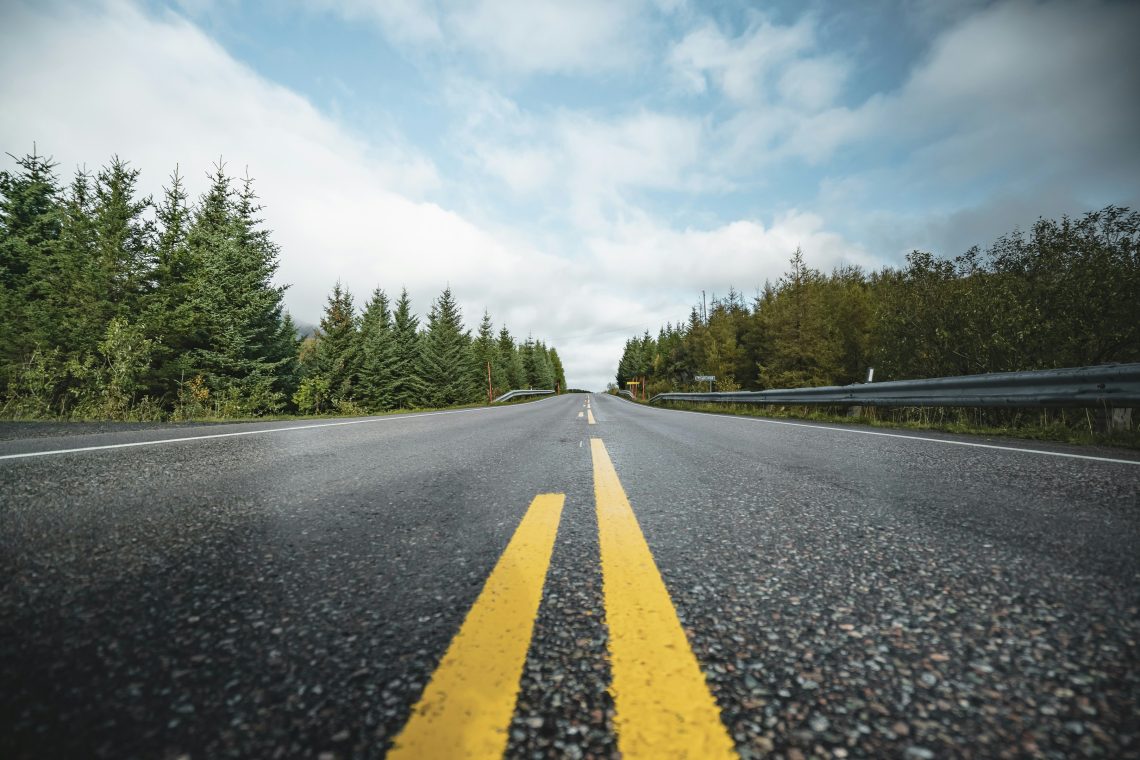
Car Camping Safety Tips for Solo Travelers
One of the most common concerns people have before their first solo trip is safety. It doesn’t matter whether you’re planning a weekend getaway, a cross-country road trip, or a long-term car camping adventure. At some point, almost everyone wonders the same thing: Is it safe to travel alone?
The answer is that solo travel can be incredibly safe, but like any form of travel, it requires awareness, preparation, and good decision-making. Contrary to what social media and the nightly news sometimes suggest, most solo travelers aren’t constantly dealing with dangerous situations. More often than not, they’re enjoying sunsets, exploring new places, taking too many photos, and trying to remember where they left their coffee mug.
That said, there is a difference between being fearless and being prepared. One of the reasons experienced travelers appear confident is because they’ve developed habits that help them manage risk and avoid unnecessary problems. The good news is that these habits aren’t complicated, and many of them become second nature with practice.
Whether you’re planning your first overnight trip or you’re looking to improve your current routine, these solo travel safety tips can help you feel more confident on the road.
Trust Your Instincts
If I could give only one piece of safety advice to new travelers, it would be this: trust your instincts.
We spend so much time being told not to judge situations too quickly that we sometimes ignore our own intuition. But if a location feels wrong, if a person makes you uncomfortable, or if something simply doesn’t sit right with you, pay attention to that feeling.
You don’t need a detailed explanation.
You don’t need proof.
You don’t need to justify your decision.
One of the greatest advantages of car camping is mobility. If you arrive somewhere and immediately feel uncomfortable, you can leave. There is no rule that says you have to stay simply because you already parked or spent time getting settled.
Over the years, I’ve found that most travelers who trust their instincts tend to avoid a lot of unnecessary stress. Sometimes a place is perfectly safe and you leave anyway. That’s okay. Peace of mind is worth far more than proving you were right.
Let Someone Know Your Plans
You don’t need to share every detail of your trip with everyone you know, but it’s a good idea to make sure at least one trusted person knows your general plans.
This can be as simple as sending a text that includes:
- Your destination
- Your expected route
- Where you plan to camp
- When you expect to check in again
If your plans change, update them when possible.
Most solo trips are completely uneventful, but having someone who knows roughly where you are adds an extra layer of security and can provide peace of mind for both you and your loved ones.
Solo Travel Starts With Good Planning
A lot of safety concerns can be avoided before you ever leave your driveway.
When people picture travel safety, they often imagine dramatic situations, but many of the most common problems are surprisingly ordinary. Running out of gas in a remote area, arriving after dark without a backup campsite, or getting lost because your phone lost signal can all create unnecessary stress.
A little preparation goes a long way.
Before heading out, take time to research:
- Campgrounds
- Public lands
- Road conditions
- Weather forecasts
- Cell service availability
Knowing what to expect doesn’t eliminate every challenge, but it helps you make informed decisions and avoid preventable mistakes.
Arrive Before Dark When Possible
One habit that has made my travels significantly easier is trying to arrive at overnight locations before sunset.
When you arrive during daylight, it’s easier to evaluate the area, identify potential concerns, and decide whether a location feels comfortable.
You can see:
- Who else is nearby
- The condition of the site
- Road access
- Potential hazards
- Available exits
Everything becomes more difficult after dark.
Finding a campsite at night isn’t impossible, but it often adds unnecessary stress to the end of an already long day.
Whenever possible, give yourself enough time to settle in before the sun goes down.
Keep Your Vehicle Ready to Leave
This doesn’t mean you should live in constant fear. It simply means maintaining a setup that allows you to leave relatively quickly if needed.
For example, many experienced travelers avoid spreading gear all over the campsite unless they’re staying for an extended period. The less time it takes to get moving, the easier it becomes to adapt if plans change.
Simple habits like keeping your keys accessible and avoiding unnecessary clutter can make a surprising difference. The goal isn’t to prepare for disaster. The goal is to maintain flexibility.
Flexibility is one of the biggest advantages of vehicle travel, and it can also contribute significantly to your sense of security.
Choose Campsites Wisely
Not every campsite is the right campsite. Just because a location appears on a map doesn’t mean it’s a good fit for your comfort level. When evaluating potential overnight spots, consider factors such as:
- Visibility
- Traffic
- Noise
- Accessibility
- Cell service
For newer solo travelers, campgrounds can be an excellent option. They offer predictable environments, nearby facilities, and the comfort of knowing other travelers are nearby.
As your confidence grows, you may become interested in dispersed camping or more remote locations. There is no rush. Building confidence gradually often leads to a much more enjoyable experience.
Don’t Advertise That You’re Alone
This is one of those simple pieces of advice that costs nothing but can be useful. If you’re chatting with strangers, there’s usually no need to announce that you’re traveling entirely by yourself. You don’t have to lie or create elaborate stories. Just remember that not everyone needs detailed information about your travel plans. Most people you meet on the road are perfectly friendly and harmless, but maintaining a little privacy is never a bad thing.
Think of it as setting healthy boundaries rather than being secretive.
Keep Basic Emergency Supplies
You don’t need to prepare for every possible scenario, but a few emergency items can make travel much easier.
Some essentials include:
- First aid kit
- Flashlight
- Portable charger
- Extra water
- Jumper cables
- Tire inflator
- Emergency blanket
The goal isn’t to fill your vehicle with survival gear. The goal is to have enough supplies to handle common problems without turning a minor inconvenience into a major ordeal.
Most of these items take up very little space but can provide a tremendous amount of reassurance.
Be Aware Without Being Afraid
One thing I wish more people understood about solo travel is that awareness and fear are not the same thing. Awareness means paying attention to your surroundings. Fear means assuming every situation is dangerous. Those are very different mindsets.
The safest travelers I know aren’t constantly worried. They’re simply observant. They notice things. They pay attention. They make thoughtful decisions.Then they go about enjoying their trip. Living in a state of constant anxiety isn’t sustainable, and it certainly isn’t the reason most people start traveling.
The goal is to build confidence through preparation and experience rather than allowing fear to dictate every decision.
Confidence Comes From Experience
Many first-time travelers assume experienced nomads are naturally fearless. The truth is that most confidence comes from repetition.
The first night sleeping in your vehicle may feel intimidating. The fifth night feels easier. By the twentieth night, many of the things that once felt scary simply feel normal.
You learn how to evaluate campsites. You learn what situations deserve concern. You learn how to solve small problems. Most importantly, you learn that you’re capable of handling more than you initially thought. That confidence becomes one of the greatest rewards of solo travel.
Final Thoughts
Traveling alone can feel intimidating at first, but it can also be one of the most rewarding experiences you’ll ever have. The freedom to choose your destination, set your own schedule, and explore at your own pace is something many travelers quickly fall in love with.
By planning ahead, trusting your instincts, choosing campsites carefully, and maintaining basic safety habits, you can dramatically improve both your confidence and your overall experience. The goal isn’t to eliminate every possible risk. The goal is to travel thoughtfully and make decisions that help you feel comfortable and prepared.
The more time you spend on the road, the more you’ll discover that solo travel isn’t about being fearless. It’s about learning to trust yourself, adapt to new situations, and enjoy the adventure that’s waiting beyond your comfort zone.
Safe travels!


You May Also Like
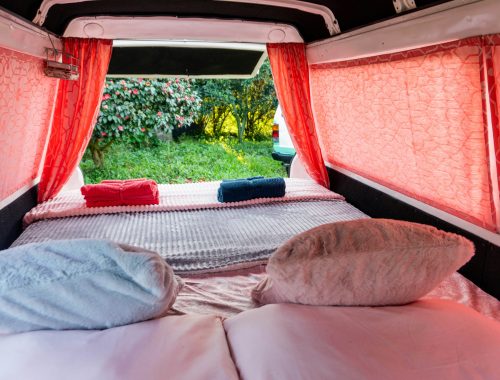
How to Find Safe Places to Sleep in Your Vehicle
How to Create Privacy When Sleeping in Your Vehicle