What to Do When It Rains While Car Camping
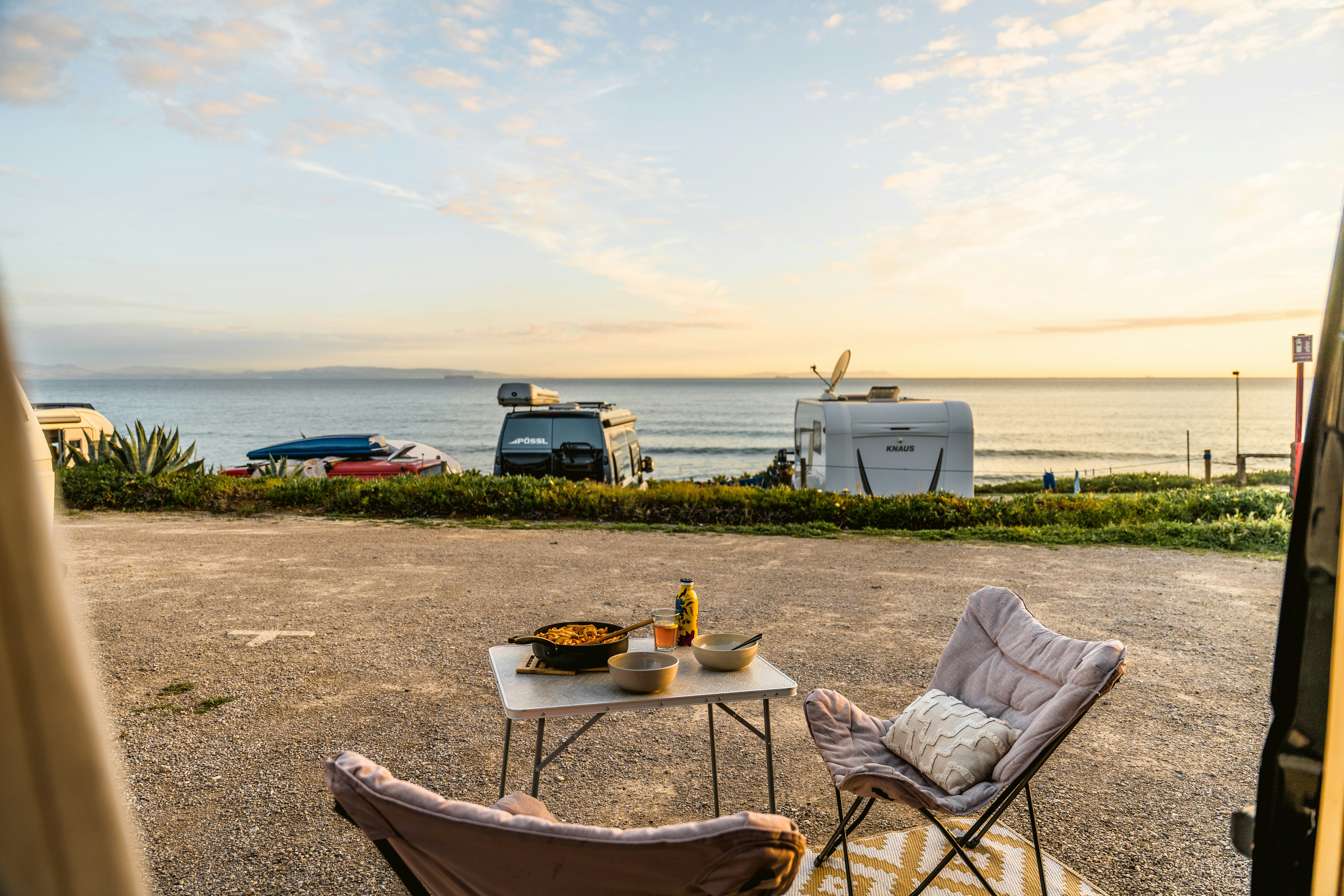
If you’ve spent any amount of time researching car camping, you’ve probably seen countless photos of beautiful campsites with sunny skies, mountain views, and people sipping coffee while wrapped in cozy blankets. What those photos don’t usually show is the reality that every traveler eventually faces: rain.
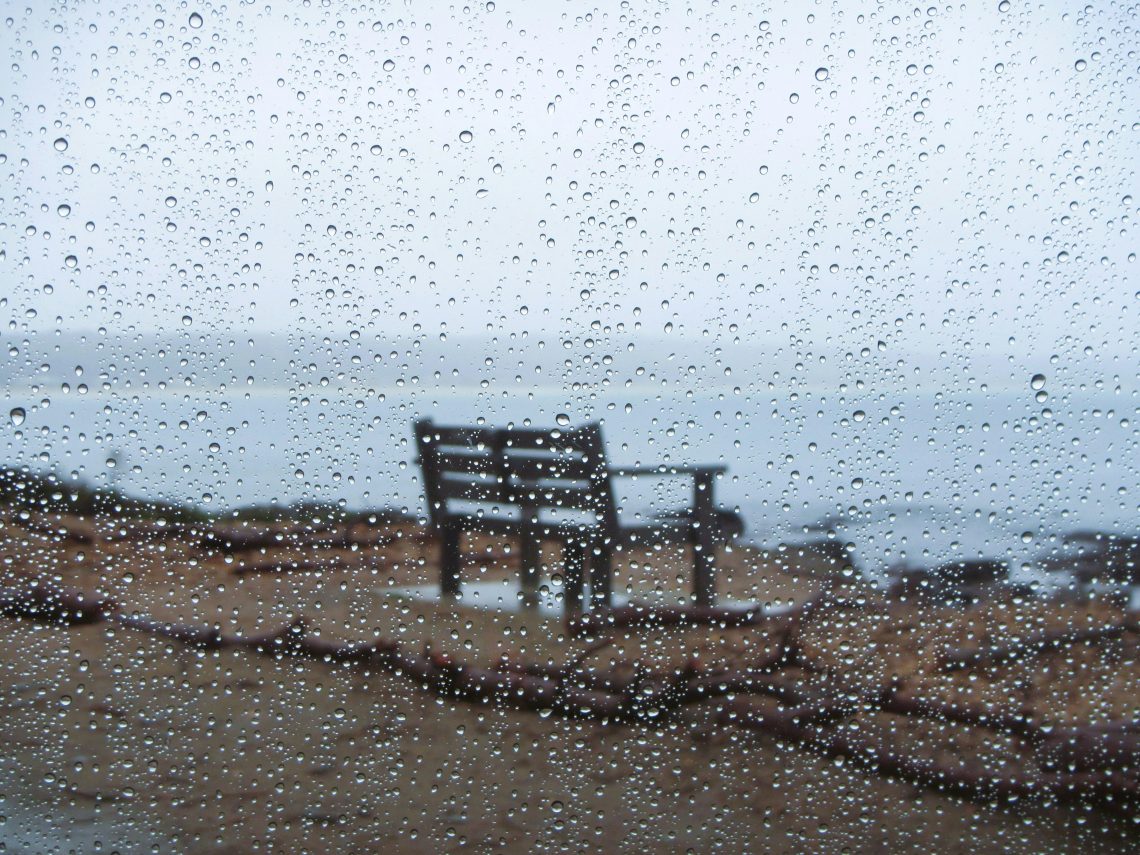
At some point, you’re going to wake up to raindrops hitting your roof. You’re going to cook breakfast under gray skies. You may even spend an entire weekend listening to rain drum against your vehicle while wondering if you should have stayed home.
The good news is that rain doesn’t have to ruin your trip.
In fact, some of my favorite camping memories have happened during less-than-perfect weather. Rain tends to slow things down. It forces you to be present. Trails become quieter, campgrounds become less crowded, and there’s something oddly comforting about being tucked inside your vehicle while a storm passes outside.
That said, enjoying rain camping requires a little preparation and the right mindset. If you expect every trip to be warm, sunny, and Instagram-worthy, wet weather can feel disappointing. But if you learn how to adapt, rainy days can become just another part of the adventure.
Check the Forecast Before You Leave
This may seem obvious, but many camping headaches can be avoided by paying attention to the weather before your trip begins.
Checking the forecast doesn’t necessarily mean canceling your plans every time rain appears. Instead, it allows you to prepare appropriately.
Knowing that rain is expected gives you time to pack:
- Rain jackets
- Waterproof footwear
- Extra towels
- Dry clothing
- Tarps or shelters
- Weather-resistant gear
One of the biggest mistakes beginners make is assuming they’ll figure things out once they arrive. While adaptability is important, preparation is often what separates an enjoyable trip from a miserable one.
The goal isn’t to avoid every inconvenience. It’s to avoid being surprised by predictable conditions.
Keep Your Sleeping Area Dry
When it comes to rain camping, staying dry while you sleep should be your top priority.
A little rain during the day can be annoying.
Wet bedding at night can make an entire trip miserable.
Before settling into camp, make sure your sleeping area is protected from leaks, damp gear, and wet clothing. If you’ve been outside in the rain, avoid tossing soaked jackets and muddy shoes directly onto your sleeping setup.
Instead, create designated areas for wet items whenever possible.
Many experienced travelers keep a small bin, tote, or designated corner for damp gear. This simple habit helps prevent moisture from spreading throughout the vehicle and keeps your sleeping space much more comfortable.
Once your bed gets wet, drying it can be difficult. Preventing the problem is always easier than solving it later.
Rain Camping Requires Moisture Management
Most people focus on the rain outside the vehicle.
The bigger issue is often the moisture inside.
Even if water isn’t actively leaking into your vehicle, wet clothes, wet shoes, damp towels, and condensation can gradually make your entire space feel uncomfortable.
This is particularly challenging when you’re living out of a small vehicle where everything shares the same limited space.
A few habits can help significantly:
- Remove wet clothing quickly
- Crack windows for ventilation
- Hang damp items when possible
- Keep towels accessible
- Separate wet gear from dry gear
Moisture management becomes especially important on longer trips when you may experience multiple rainy days in a row.
The sooner you deal with damp items, the easier it is to stay comfortable.
Ventilation Still Matters
One mistake many people make during bad weather is sealing every window completely shut.
It seems logical.
Rain is falling.
You want to keep water out.
Unfortunately, fully sealing your vehicle can create another problem: condensation.
Your breathing introduces moisture into the air throughout the night. Without ventilation, that moisture collects on windows, walls, and other surfaces.
The result is a damp environment that can feel surprisingly uncomfortable.
Even during rainy weather, a small amount of airflow often improves comfort considerably. Proper ventilation helps reduce condensation and keeps the interior from becoming excessively humid.
It may feel counterintuitive, but airflow is often your friend during wet weather.
Bring Entertainment
Rain has a way of changing travel plans.
Maybe the trail you wanted to hike isn’t appealing in a downpour.
Maybe the scenic overlook is hidden behind clouds.
Maybe your outdoor cooking plans suddenly seem less exciting.
This is where having backup activities becomes valuable.
Consider bringing:
- Books
- Journals
- Downloaded movies
- Podcasts
- Card games
- Craft projects
Some of the most relaxing camping evenings I’ve had involved nothing more than reading a book while listening to rain on the roof.
Travel doesn’t always have to be productive.
Sometimes the best thing you can do is slow down and enjoy the moment.
Adjust Your Expectations
One of the biggest factors determining whether you’ll enjoy rain camping has nothing to do with gear.
It’s mindset.
Many travelers build elaborate expectations around their trips. They imagine perfect weather, stunning sunsets, and ideal conditions every day.
When reality doesn’t match that vision, disappointment follows.
But here’s the thing: weather is part of travel.
Rain isn’t a failure.
It’s not proof that your trip is ruined.
It’s simply another experience.
The sooner you stop expecting perfect conditions, the easier it becomes to appreciate whatever conditions you actually get.
Some destinations are arguably more beautiful in the rain than they are under clear skies.
Fog rolling through the mountains.
Rain tapping on a forest canopy.
Storm clouds gathering over a desert landscape.
These moments have their own kind of magic.
Cook Simple Meals
Cooking in the rain can be challenging, especially if you’re relying on outdoor equipment.
This is usually not the time for complicated recipes that require multiple pots, pans, and preparation steps.
Instead, focus on simple meals that are easy to prepare and easy to clean up.
Things like:
- Soup
- Instant noodles
- Oatmeal
- Sandwiches
- One-pot meals
often become much more appealing when the weather turns bad.
Warm food can also improve morale considerably during a cold or rainy day.
There is something deeply comforting about a hot meal when you’re listening to rain outside.
Pack Extra Towels
This may be one of the least exciting pieces of camping advice you’ll ever receive.
It’s also one of the most useful.
Bring extra towels.
Seriously.
Towels become incredibly valuable during rainy weather.
They help with:
- Drying off gear
- Wiping condensation
- Cleaning muddy paws
- Drying yourself
- Managing spills
You’ll almost always use them more than you expect.
Few things are as frustrating as realizing your only towel is already soaked.
Traveling With Dogs in the Rain
If you’re traveling with a dog, rain creates additional challenges.
Mud.
Wet fur.
Dirty paws.
Suddenly your cozy vehicle feels much smaller.
Keeping a towel specifically for your dog can make life significantly easier. Wiping paws before entering the vehicle helps reduce mess and keeps your sleeping area cleaner.
Depending on your dog’s personality, rainy days may also require additional effort to keep them entertained.
Not every dog enjoys spending hours inside a vehicle waiting for a storm to pass.
A little planning can help keep both of you happier during bad weather.
Know When to Change Plans
While most rainy weather can be managed, there are situations where changing your plans is the smart decision.
Heavy flooding.
Severe storms.
Dangerous road conditions.
Flash flood warnings.
These situations deserve attention.
One of the most important skills any traveler develops is knowing when flexibility is necessary.
There’s no prize for stubbornly sticking to a plan that no longer makes sense.
Sometimes the best adventure is the one you postpone until conditions improve.
Final Thoughts
Rain camping may not be what most people picture when they dream about life on the road, but it doesn’t have to ruin your trip. With a little preparation, realistic expectations, and a willingness to adapt, rainy days can become just another memorable part of the experience.
The key is focusing on what you can control. Keep your sleeping area dry, manage moisture inside your vehicle, pack appropriate gear, and give yourself options for staying entertained when outdoor activities aren’t practical.
The weather won’t always cooperate, and that’s okay. Some of the best travel stories begin with plans that didn’t go exactly as expected. Learning how to enjoy the journey regardless of conditions is part of what makes you a better traveler.
Safe travels!


You May Also Like
How To Downsize But Still Keep The Simple Pleasures
How to Sleep Comfortably in Your Car