
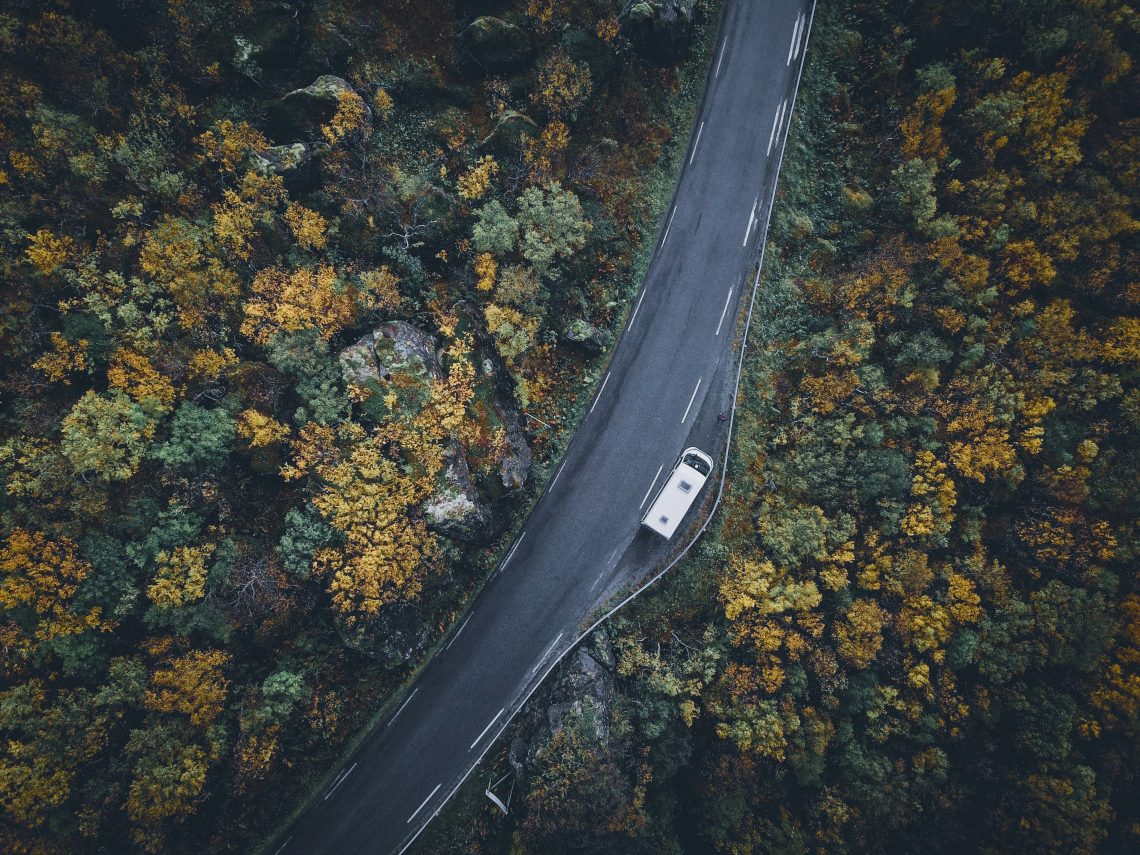
How to Plan Your First Car Camping Road Trip
Planning your first car camping adventure can feel equal parts exciting and overwhelming. One minute you’re imagining scenic mountain views, campfires, and waking up to beautiful sunrises. The next minute you’re staring at maps, weather forecasts, campground reservations, and packing lists wondering if you’ve forgotten something important.
The truth is that every experienced traveler was once in exactly the same position. Nobody starts out knowing the perfect route, the ideal campsite, or how many snacks are actually necessary for a long drive. Most of us learn through experience, a little trial and error, and occasionally realizing halfway through a trip that we packed three flashlights but forgot a can opener.
The good news is that planning a successful road trip doesn’t have to be complicated. In fact, one of the biggest mistakes new travelers make is overcomplicating the process. They create rigid schedules, try to visit too many destinations, and leave no room for flexibility. One of the greatest benefits of car camping is freedom, and your trip should leave room for that freedom to exist.
If you’re planning your first adventure, these tips will help you create a realistic plan while avoiding many of the common mistakes beginners make.
Start With a Realistic Destination
One of the most common mistakes first-time travelers make is trying to do too much.
It’s easy to get excited and plan a route that covers five states, twelve attractions, and several national parks in a single week. While that may sound exciting on paper, it often leads to long driving days and very little time to actually enjoy the places you’re visiting.
Instead, choose one primary destination or region.
Maybe it’s a national park you’ve always wanted to visit.
Maybe it’s a scenic mountain range.
Maybe it’s a coastal highway you’ve been dreaming about exploring.
Whatever you choose, focus on quality over quantity.
A slower trip usually allows you to see and experience more than a rushed itinerary packed with destinations.
Determine How Many Days You Have
Before you start mapping routes, it’s important to know how much time you’re working with.
A weekend trip requires a completely different approach than a two-week adventure.
Be honest about your available time and avoid the temptation to squeeze too much into your schedule. One of the easiest ways to turn a fun road trip into an exhausting one is by spending most of it behind the wheel.
As a general rule, it’s better to underestimate what you can accomplish than overestimate it.
You’ll enjoy your trip much more if you have extra time than if you’re constantly racing the clock.
Build Your Road Trip Around Driving Time
When planning destinations, many people focus entirely on mileage.
What matters more is actual driving time.
Two hundred miles on an interstate may only take a few hours. Two hundred miles through mountains, winding roads, or tourist areas can take much longer.
Before finalizing your route, estimate how many hours you’ll realistically spend driving each day.
Most people find that somewhere between three and six hours of driving allows for a comfortable balance between travel and exploration.
Anything beyond that starts to feel more like transportation than adventure.
Remember that you’ll also want time for:
- Meals
- Rest stops
- Photos
- Hiking
- Unexpected discoveries
- Traffic delays
Travel almost always takes longer than expected.
Building extra time into your schedule helps reduce stress and allows you to enjoy the journey.
Research Camping Options Ahead of Time
One of the biggest sources of anxiety for new car campers is wondering where they’re going to sleep.
While spontaneous travel can be fun, having at least a rough plan for overnight accommodations provides valuable peace of mind.
Depending on your travel style, you might choose:
- Campgrounds
- National forest campsites
- Public lands
- State parks
- Dispersed camping areas
Researching these options ahead of time allows you to understand reservation requirements, fees, seasonal closures, and local regulations.
Even if you prefer flexible travel, identifying a few backup options can make the entire experience much smoother.
Knowing where you’ll likely spend the night allows you to focus on enjoying the trip rather than scrambling to find a campsite at sunset.
Create a Flexible Itinerary
Notice I said flexible itinerary, not rigid itinerary.
One of the best parts of a road trip is the unexpected discoveries you make along the way. Maybe you stumble across a scenic overlook that wasn’t on your map. Maybe a local recommends a hiking trail you’ve never heard of. Maybe you simply fall in love with a place and decide to stay an extra day.
Those moments are often the highlights of a trip.
If every hour is scheduled in advance, there’s no room for spontaneity.
Instead of planning every minute, identify a few major goals for each day and allow everything else to unfold naturally.
You’ll likely enjoy the experience much more.
Budget Before You Leave
A little financial planning can prevent a lot of stress on the road.
Many new travelers focus entirely on gas prices while overlooking other common expenses.
Consider budgeting for:
- Fuel
- Food
- Campsites
- Attraction fees
- Ice
- Emergency expenses
- Pet-related costs
- Souvenirs
Even if you’re traveling on a tight budget, knowing what to expect helps you make informed decisions along the way.
One thing I’ve learned over the years is that unexpected expenses always seem to appear. Having a small emergency fund set aside can make those surprises much easier to handle.
Prepare for Different Weather Conditions
Weather can dramatically impact a trip.
A forecast that looks perfect a week before departure can change quickly, especially in mountainous areas.
Before leaving, check weather forecasts for your route and destinations. More importantly, pack for a range of conditions rather than assuming the forecast will remain accurate.
Even summer trips can bring:
- Cold nights
- Rainstorms
- High winds
- Unexpected temperature swings
A little extra preparation can prevent a lot of discomfort.
The goal isn’t to pack your entire house. It’s simply to be ready for the most likely scenarios.
Pack Less Than You Think You Need
Most first-time travelers bring far too much stuff.
I say this as someone who has absolutely packed unnecessary items before.
It’s easy to imagine every possible situation and convince yourself that you’ll need gear for all of them.
The reality is that most successful road trips rely on a relatively small number of essentials.
Focus on:
- Sleeping gear
- Clothing
- Food
- Water
- Safety supplies
- Navigation tools
If you forget something minor, you can usually purchase it along the way.
Overpacking often creates more problems than underpacking because it makes your vehicle harder to organize and more difficult to live out of.
Have a Plan for Food
Food tends to be one of the most overlooked aspects of trip planning.
Many people assume they’ll figure it out as they go, which usually translates into spending far more money on restaurants than intended.
Even a basic meal plan can make a huge difference.
You don’t need gourmet camp cooking.
Simple meals often work best.
Think about:
- Breakfast options
- Snacks
- Easy lunches
- Simple dinners
- Water supply
Having food available when you’re hungry makes travel significantly more enjoyable and helps reduce unnecessary stops.
Expect Things to Go Wrong
This may sound negative, but it’s actually one of the best pieces of travel advice I can offer.
Something will probably go wrong.
You’ll miss a turn.
The weather may change.
A campsite might be full.
A trail could be closed.
That’s normal.
The difference between a stressful trip and a memorable adventure often comes down to how you respond when plans change.
The most experienced travelers aren’t successful because everything goes perfectly.
They’re successful because they’ve learned how to adapt.
Flexibility is one of the most valuable skills you can develop on the road.
Focus on the Experience
It’s easy to become so focused on planning that you forget why you’re taking the trip in the first place.
You’re not trying to create a perfect itinerary.
You’re creating an experience.
Some of your favorite memories may come from things you never planned.
A random roadside attraction.
A beautiful sunset.
A conversation with another traveler.
An unexpected scenic route.
Those moments rarely appear on an itinerary, but they often become the stories you remember years later.
Final Thoughts
Planning your first car camping road trip can feel intimidating, but it doesn’t need to be complicated. Start with a realistic destination, build a flexible itinerary, research your camping options, and leave room for unexpected adventures. The goal isn’t to create a flawless schedule. The goal is to create a trip that allows you to explore, learn, and enjoy the freedom that makes road travel so rewarding.
Every experienced traveler started somewhere, and your first trip doesn’t have to be perfect to be successful. In fact, some of the lessons you’ll learn along the way will become the foundation for future adventures.
The most important thing is to start. Pack the essentials, choose a destination, and hit the road. You’ll learn far more from taking the trip than from endlessly planning it.
Safe travels!


You May Also Like
What to Do When It Rains While Car Camping
How to Shower While Living on the Road