How to Stay Cool While Car Camping in Summer
If cold weather is one of the biggest fears for new car campers, summer heat is probably a close second. Most people assume sleeping in a vehicle during the summer will be easier than camping during the winter, but that isn’t always true. A vehicle can cool down quickly when temperatures drop, but it can also trap heat like an oven during the warmer months. Anyone who has climbed into a parked car on a sunny afternoon knows exactly what I’m talking about.
Learning how to stay cool while car camping is one of the most valuable skills you can develop if you plan to travel during the summer. Not only will it help you sleep better, but it can also make your overall travel experience much more enjoyable. When you’re overheated, everything feels harder. You’re more tired, less patient, and far less likely to enjoy the adventure you set out to have.
The good news is that staying comfortable in hot weather doesn’t necessarily require expensive equipment or a fully built-out camper van. In many cases, small adjustments to where you camp, how you set up your vehicle, and how you manage airflow can make a significant difference.
Understand Why Vehicles Get So Hot
Before talking about solutions, it helps to understand why heat becomes such a challenge in the first place.
Vehicles are essentially metal boxes with large glass windows. During the day, sunlight enters through the windows and heats the interior. That heat becomes trapped inside, causing temperatures to rise much higher than the surrounding air. Even after the sun goes down, the vehicle may continue radiating stored heat for hours.
This is why sleeping in a vehicle during the summer can feel so uncomfortable, especially if you’ve spent the day driving or parked in direct sunlight.
Many new campers make the mistake of focusing only on nighttime temperatures when planning a trip. They see a forecast calling for a low of 65 degrees and assume they’ll sleep comfortably. What they don’t consider is that their vehicle may still be holding onto heat long after sunset.
Understanding how heat behaves inside a vehicle helps you make better decisions throughout the day.
Choose Your Campsite Carefully
One of the easiest ways to stay cool starts long before bedtime.
Where you park matters.
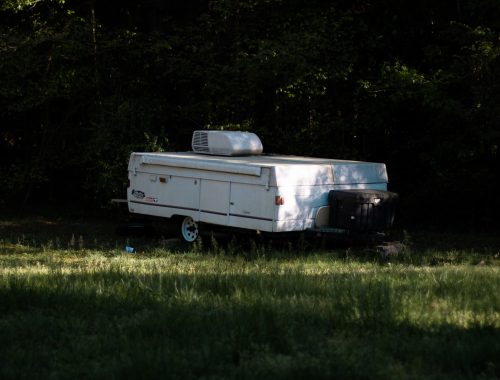
A campsite surrounded by shade can feel dramatically different from one sitting in direct sunlight all day. If you’re camping in a developed campground, look for sites with mature trees that provide afternoon shade. If you’re using public land or dispersed camping areas, pay attention to where the sun will be during the hottest part of the day rather than where it is when you arrive.
I’ve learned this lesson the hard way more than once. A campsite that looks perfect at 9 a.m. can become miserable by 3 p.m. if there’s no protection from the sun. Taking a few extra minutes to think about shade can make a huge difference in your comfort level later.
If possible, try to park so that the largest windows receive less direct afternoon sunlight. Every little bit helps when temperatures start climbing.
Stay Cool by Maximizing Airflow
Airflow is one of your best defenses against summer heat.
Many people instinctively want to seal up their vehicle at night, but without proper ventilation, warm air becomes trapped inside. Even a slight breeze can make a noticeable difference in comfort.
Cracking windows on opposite sides of the vehicle creates cross-ventilation, allowing hot air to escape while cooler air moves in. Window screens can be especially useful because they allow airflow while helping keep insects outside where they belong.
If you’re spending a lot of time car camping during the summer, portable fans are often worth considering. Small battery-powered fans can improve air circulation and make sleeping much more comfortable, particularly on warm nights when natural airflow is limited.
The goal isn’t necessarily to make your vehicle cold. It’s simply to prevent heat from becoming trapped inside.
Avoid Spending the Entire Day in Your Vehicle
One mistake many beginners make is treating their vehicle like a tiny apartment.
During pleasant weather, this usually isn’t a problem. During the summer, however, spending long periods inside a vehicle can become uncomfortable very quickly.
Whenever possible, use the cooler parts of the day for activities and reserve your vehicle primarily for transportation and sleeping.
Spend time:
- Hiking
- Exploring local attractions
- Relaxing in shaded areas
- Visiting parks
- Enjoying lakes or rivers
Many experienced travelers find that they naturally spend less time inside their vehicles during hot weather because it simply feels better to be outside.
The less heat you bring into your vehicle throughout the day, the more comfortable you’ll be later.
Dress for the Weather
It sounds obvious, but clothing plays a major role in temperature management.
Lightweight, breathable fabrics can help your body regulate heat more effectively than heavy materials. Loose-fitting clothing often feels much more comfortable than tight layers when temperatures rise.
Natural fibers and moisture-wicking materials can also help reduce discomfort caused by sweat and humidity.
At night, many people continue wearing clothing they spent the day in, even if it’s damp from sweat. Changing into clean, dry sleep clothes can significantly improve comfort and make it easier to fall asleep.
It’s a simple habit, but one that can make a surprisingly big difference.
Stay Hydrated Throughout the Day
Hydration becomes even more important during summer travel.
When you’re spending time outdoors, hiking, driving long distances, or simply sitting in the sun, it’s easy to become dehydrated without realizing it.
Unfortunately, dehydration often makes heat feel even worse.
Common signs include:
- Fatigue
- Headaches
- Dizziness
- Irritability
- Reduced energy
Drinking water consistently throughout the day helps your body regulate temperature more effectively and can improve your overall comfort.
Many travelers keep water easily accessible in their vehicle because if hydration requires digging through storage bins, it’s less likely to happen regularly.
Use Window Covers Strategically
Most people think of window covers as privacy tools, but they can also help reduce heat.
Reflective window coverings can block sunlight before it enters the vehicle, helping keep interior temperatures lower throughout the day. This is particularly useful if you know you’ll be parked for extended periods.
Even simple sunshades placed in the windshield can make a noticeable difference.
While window covers won’t completely eliminate heat buildup, they can reduce some of the solar gain that turns vehicles into ovens during the afternoon.
Many car campers eventually discover that managing heat during the day is often easier than trying to remove it at night.
Plan Around the Heat
One of the smartest things you can do is adjust your schedule. Rather than fighting the hottest part of the day, work around it. Many travelers naturally adopt a rhythm that looks something like this:
- Early morning activities
- Midday rest in shade
- Evening exploration
- Overnight cooling
This approach allows you to take advantage of cooler temperatures while avoiding unnecessary discomfort during peak heat. It’s a strategy people have used for centuries in hot climates, and it works just as well for modern travelers.
Sometimes the best solution isn’t buying more gear. It’s simply adjusting your routine.
Consider Higher Elevations
If your travel plans allow for flexibility, elevation can be your friend. Temperatures often decrease as elevation increases, which is one reason mountain destinations become so popular during the summer months.
A campsite at higher elevation may feel dramatically cooler than one located in a nearby valley. This doesn’t mean you need to spend every trip in the mountains, but it’s worth remembering if you’re planning a summer adventure and have options available.
A difference of only a few thousand feet can completely change your overnight comfort level.
Know When Conditions Are Too Hot
There’s a difference between being uncomfortable and being unsafe. Extreme heat can become dangerous, particularly for children, pets, older adults, and individuals with certain health conditions. Pay attention to weather forecasts and heat advisories before your trip.
If nighttime temperatures remain excessively high and your vehicle cannot cool down adequately, it may be worth adjusting your plans.
No destination is worth risking your health. One of the most important skills any traveler can develop is knowing when to adapt.
Traveling with Dogs in Hot Weather
If you travel with a dog, summer heat requires additional planning. Dogs cannot regulate body temperature as efficiently as humans, which means they may become uncomfortable or overheated much more quickly.
Always ensure your dog has:
- Plenty of water
- Shade
- Ventilation
- Opportunities to cool down
Activities may need to be scheduled during cooler parts of the day, particularly if you’re visiting areas with extreme temperatures. Anyone who has ever traveled with a dog knows that their comfort quickly becomes your comfort as well.
A happy dog makes for a much better trip.
Final Thoughts
Learning how to stay cool while car camping is just as important as learning how to stay warm during colder months. Summer heat can create challenges, but with the right approach, it’s entirely possible to remain comfortable and enjoy your adventures.
Choosing shaded campsites, improving airflow, staying hydrated, using window covers, and planning around the hottest parts of the day can dramatically improve your experience. Often, the difference between a miserable night and a comfortable one comes down to preparation rather than expensive equipment.
The more time you spend on the road, the better you’ll understand what works for your vehicle, your travel style, and your comfort preferences. With a little experience, you’ll find that summer car camping can offer beautiful destinations, long days of exploration, and unforgettable memories without spending the entire night wishing for air conditioning.
Safe travels!


You May Also Like
How to Plan Your First Car Camping Road Trip
How to Use Public Lands Responsibly