
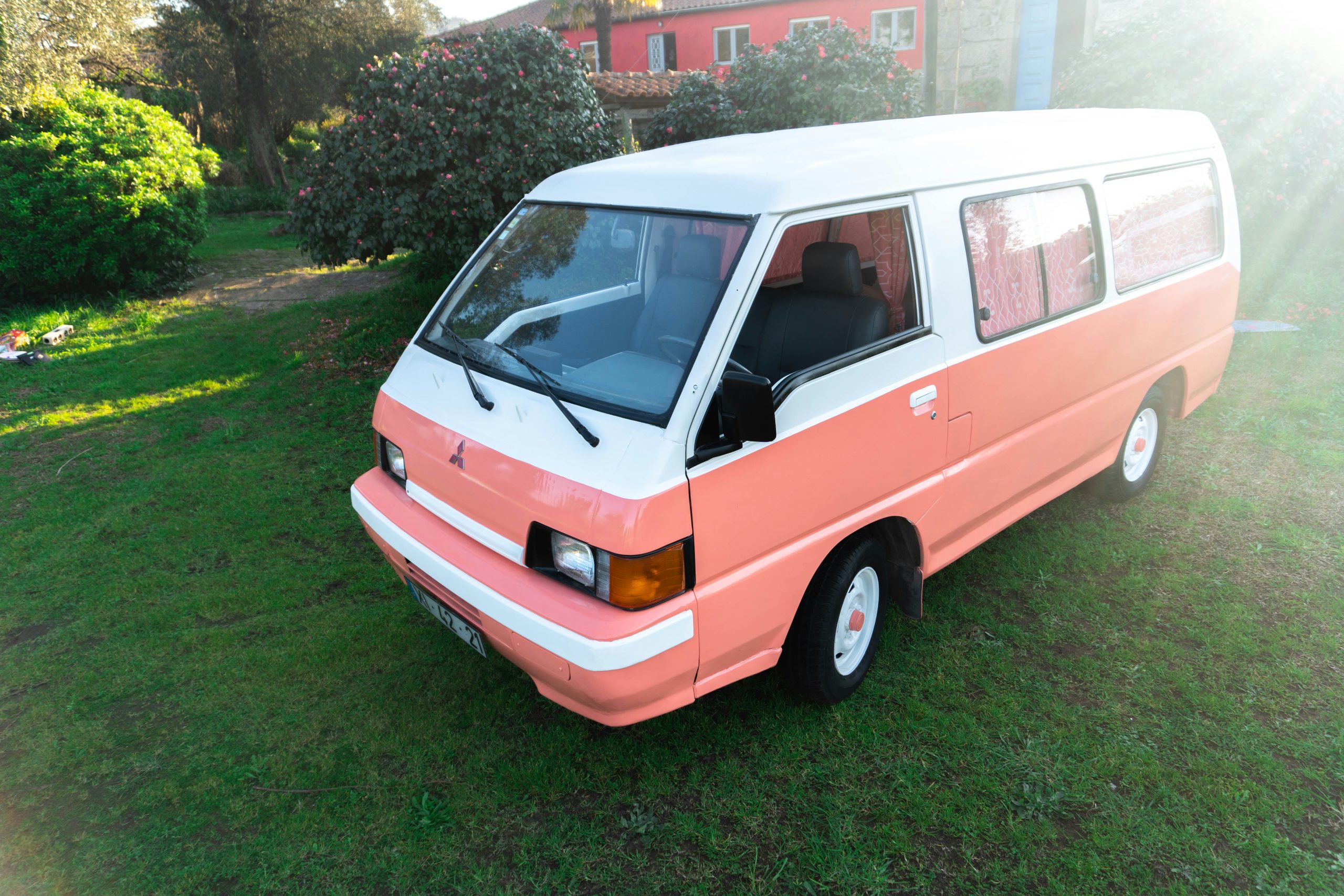
Spend enough time scrolling through social media and you’ll start to believe that living on the road is one long vacation.
Every photo seems to feature a beautiful sunset, a scenic campsite, or someone drinking coffee while staring at a mountain range. The captions talk about freedom, adventure, and escaping the traditional nine-to-five lifestyle.
And to be fair, those moments absolutely exist.
Living on the road can be one of the most rewarding experiences you’ll ever have. It can introduce you to incredible places, amazing people, and a version of yourself that you might never have discovered otherwise.
But there are also parts of road living that rarely make it into Instagram captions.
Not because people are being dishonest, but because the realities of daily life tend to be less photogenic than sunsets.
Nobody takes a picture of themselves searching for a laundromat.
Nobody posts a glamorous reel about reorganizing storage bins for the third time in a week.
Nobody films themselves spending two hours trying to decide where they’re going to sleep that night.
The truth is that road living is both wonderful and challenging, often at the same time.
The more realistic your expectations are, the more likely you are to enjoy the experience.
Freedom Comes With Responsibility
One of the biggest selling points of life on the road is freedom.
You can wake up in one state and go to bed in another.
You can change your plans at a moment’s notice.
You can stay longer in places you love and leave places you don’t.
What people don’t always mention is that freedom also means responsibility.
When you don’t have a permanent home base, every decision becomes your responsibility.
You decide:
- Where to sleep
- Where to shower
- Where to do laundry
- Where to work
- How to handle emergencies
- How to budget your money
There’s no landlord to call.
No maintenance department.
No predictable routine handling the details for you.
Many travelers love that independence, but it can also feel exhausting at times.
Decision Fatigue Is Real
One thing I wasn’t fully prepared for was how many decisions road travel requires.
At home, many choices become automatic.
You know where you’ll sleep.
You know where you’ll buy groceries.
You know which route you’ll take to work.
Road living removes much of that predictability.
Every day can involve dozens of small decisions.
Where should I camp tonight?
Should I stop for fuel now or later?
Do I need groceries?
Is the weather changing?
Should I stay or keep driving?
Individually, these choices seem minor.
Collectively, they can become surprisingly draining.
Many experienced travelers eventually create routines simply because reducing daily decision-making helps preserve mental energy.
Road Living Isn’t Always Cheap
One of the most persistent myths about life on the road is that it’s automatically inexpensive.
Can it be affordable?
Absolutely.
Can it also be expensive?
Definitely.
Your costs depend heavily on:
- Fuel prices
- Travel frequency
- Camping preferences
- Vehicle maintenance
- Food choices
- Insurance costs
Many people save money by reducing housing expenses.
At the same time, other costs often increase.
Driving thousands of miles each month isn’t free.
Neither are tires, oil changes, repairs, and unexpected breakdowns.
Living on the road can save money, but it’s not a magic financial loophole.
Like any lifestyle, it requires budgeting and planning.
You’ll Spend More Time on Basic Life Tasks
Social media tends to focus on adventures.
Real life includes errands.
A lot of errands.
Simple tasks often require more effort when you’re traveling.
Something as basic as doing laundry can become a half-day project.
Finding water, dumping trash, charging devices, grocery shopping, and maintaining your vehicle all take time.
None of these things are difficult.
They just happen more frequently than many people expect.
The reality is that road living isn’t an escape from responsibility.
It’s simply a different way of handling responsibility.
Your Vehicle Becomes Part of Your Identity
This is something I rarely hear discussed.
When you spend enough time living out of a vehicle, it starts feeling like more than transportation.
It becomes:
- Your bedroom
- Your closet
- Your kitchen
- Your office
- Your living room
In many ways, your vehicle becomes your home.
As a result, problems that might seem minor to other people can feel very personal.
A strange noise suddenly matters.
A mechanical issue becomes stressful.
A breakdown isn’t just inconvenient.
It’s affecting your entire living situation.
This emotional connection surprises many travelers.
You start caring about your vehicle in ways you never expected.
Loneliness Can Show Up Unexpectedly
One of the realities of road living that rarely gets discussed honestly is loneliness.
Not everyone experiences it.
Some people thrive in solitude.
Others struggle more than expected.
The interesting thing about loneliness is that it doesn’t always happen when you’re alone.
Sometimes it appears in crowded places.
Sometimes it appears after a great day.
Sometimes it arrives completely unexpectedly.
Travel can be incredibly social, but it can also create distance from friends, family, and established support systems.
Building community on the road often requires intentional effort.
The good news is that many travelers eventually find their people.
The challenge is recognizing that meaningful connection remains important no matter how independent you are.
Plans Change Constantly
If you’re someone who likes certainty, road travel may test your patience.
Weather changes.
Roads close.
Vehicles break.
Campgrounds fill up.
Jobs change.
Life happens.
Learning to adapt is one of the most valuable skills road living teaches.
The people who seem happiest on the road aren’t necessarily the most organized.
They’re often the most flexible.
Instead of fighting change, they learn to work with it.
That mindset makes a huge difference.
The Small Wins Matter More Than You Expect
One unexpected lesson of road living is how much joy can come from small victories.
Finding an amazing campsite.
Getting a hot shower after several days.
Watching a sunrise from your favorite chair.
Finding the perfect cup of coffee in a random town.
Repairing something yourself.
These moments may seem insignificant from the outside.
When you’re living on the road, they often become highlights of the day.
You start appreciating simple comforts in a way you might not have before.
You’ll Learn a Lot About Yourself
Perhaps the biggest surprise isn’t what you learn about travel.
It’s what you learn about yourself.
When you remove familiar routines and comforts, certain truths become difficult to ignore.
You discover:
- What actually matters to you
- How much stuff you really need
- How you respond to challenges
- What brings you joy
- What drains your energy
Road living has a way of stripping away distractions.
Without intending to, many travelers end up on a personal growth journey alongside their physical one.
Sometimes that’s uncomfortable.
Often it’s valuable.
Usually it’s both.
The Adventure Doesn’t Look Like the Photos
The photos are real.
The sunsets happen.
The beautiful campsites exist.
The freedom is genuine.
But so are the flat tires.
The rainy days.
The lonely evenings.
The crowded parking lots.
The mechanical repairs.
The moments when everything goes wrong.
The truth is that road living isn’t magical because it’s perfect.
It’s meaningful because it’s real.
The difficult moments make the beautiful moments feel even more significant.
The challenges give context to the freedom.
The inconveniences make you appreciate the victories.
That’s the part social media struggles to capture.
Final Thoughts
Nobody tells you that road living is both harder and better than it looks online. The freedom is real, but so is the responsibility. The adventure is real, but so are the challenges. The beautiful views exist, but they’re accompanied by ordinary daily tasks that don’t make it into highlight reels.
The people who thrive on the road aren’t necessarily the ones with the nicest vehicles or the most impressive travel photos. They’re often the ones who learn to embrace both the good and the difficult parts of the journey.
Because in the end, living on the road isn’t about escaping life. It’s about experiencing it differently. And sometimes, that’s exactly what makes it worthwhile.
Safe travels!

Leave a Reply