
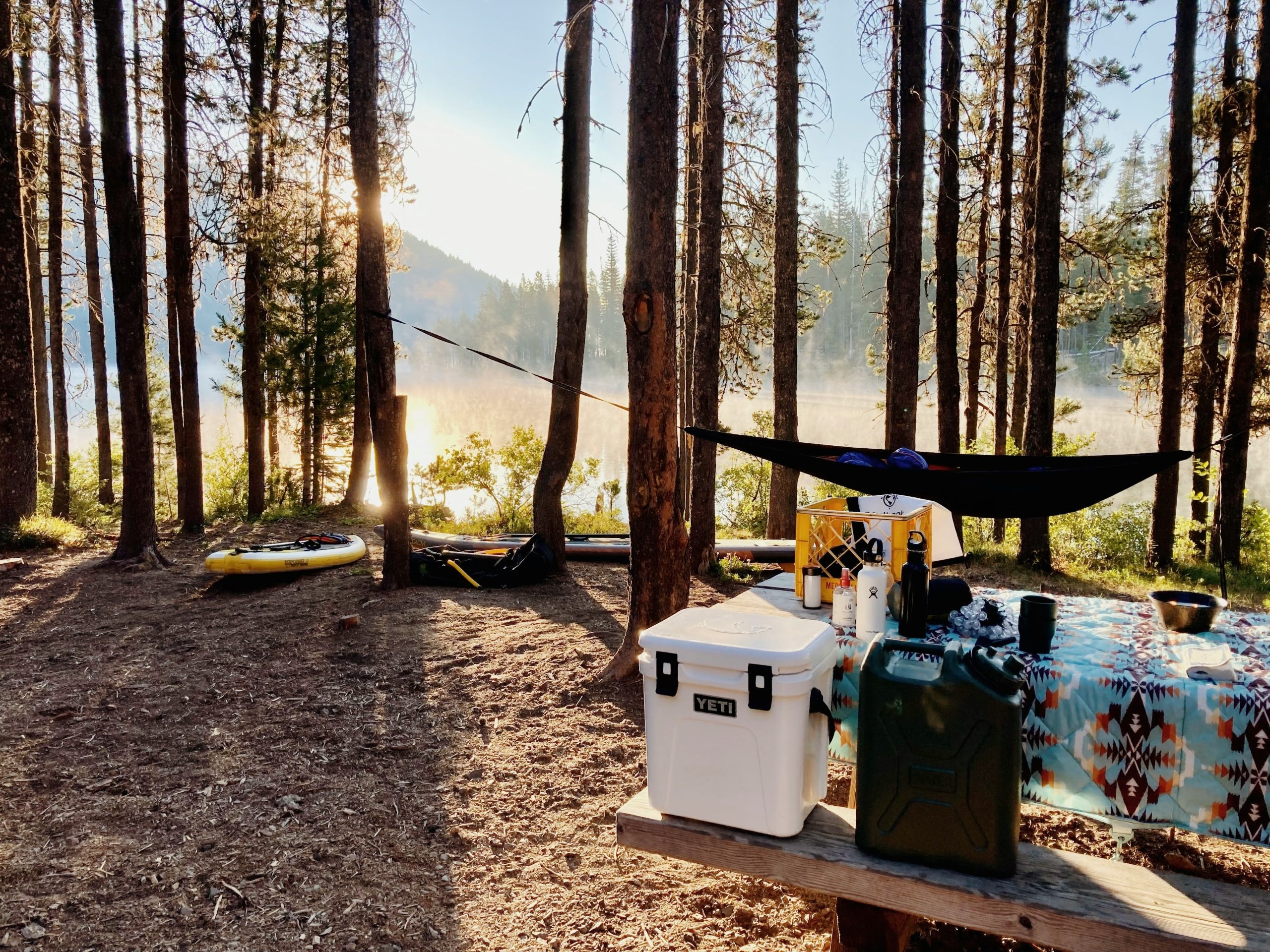
One of the greatest privileges of living a car camping or van life lifestyle is access to public lands.
Whether you’re parked in a National Forest, camping on Bureau of Land Management property, hiking through a wildlife area, or simply enjoying a scenic overlook, public lands make much of the nomadic lifestyle possible. They provide affordable recreation, beautiful camping opportunities, and access to some of the most incredible landscapes in the country.
The problem is that public lands are becoming increasingly popular.
Over the past several years, more people have discovered camping, road trips, van life, and outdoor recreation. While it’s wonderful to see people spending time outdoors, increased usage also creates new challenges. More visitors often mean more trash, more environmental damage, more conflicts, and more strain on already limited resources.
Unfortunately, many areas have experienced campsite closures, new restrictions, and increased enforcement because a small percentage of visitors failed to use these spaces responsibly.
The good news is that protecting public lands doesn’t require perfection. It simply requires awareness and a willingness to leave places better than you found them. Small actions, when practiced consistently, can have a significant impact.
Whether you’re brand new to camping or have been traveling for years, understanding how to use public lands responsibly is one of the most important skills you can develop.
What Are Public Lands?
Before discussing responsible use, it’s helpful to understand what public lands actually are.
In the United States, public lands are areas managed by government agencies for the benefit of everyone. These lands are owned collectively and maintained for recreation, conservation, wildlife habitat, resource management, and other public purposes.
Some common examples include:
- National Forests
- Bureau of Land Management (BLM) lands
- National Parks
- State Parks
- Wildlife management areas
- National recreation areas
Each type of public land may have different regulations, management goals, and permitted activities.
Just because something is allowed in one location doesn’t mean it’s allowed everywhere.
Understanding the rules of the specific area you’re visiting is one of the first steps toward responsible recreation.
Remember That Public Doesn’t Mean Unlimited
One misconception many people have is that public lands exist without limits.
Because these areas belong to everyone, some visitors mistakenly assume they can do whatever they want.
In reality, public lands require active management.
Trails need maintenance.
Wildlife habitats need protection.
Natural resources need conservation.
When visitors ignore regulations, damage often follows.
Roads become eroded.
Vegetation gets destroyed.
Wildlife behavior changes.
Sensitive ecosystems suffer.
The purpose of responsible recreation isn’t to limit enjoyment. It’s to ensure these places remain available and healthy for future visitors.
Public Lands Depend on Responsible Visitors
Unlike many private campgrounds, public lands often operate with limited staffing and resources.
There may not be employees regularly cleaning campsites.
There may not be trash collection services.
There may not be someone available to correct every problem as it happens.
As a result, visitors play a major role in protecting these spaces.
Every decision matters.
Every campsite matters.
Every piece of trash matters.
Collectively, those choices shape the future of public lands.
The goal isn’t to be perfect. The goal is to recognize that our actions have consequences and to make choices that minimize our impact.
Follow Leave No Trace Principles
If there’s one concept every outdoor enthusiast should understand, it’s Leave No Trace.
Leave No Trace is a set of outdoor ethics designed to help people enjoy nature while minimizing environmental damage.
The seven principles include:
- Plan ahead and prepare
- Travel and camp on durable surfaces
- Dispose of waste properly
- Leave what you find
- Minimize campfire impacts
- Respect wildlife
- Be considerate of others
You don’t need to memorize every detail to benefit from the philosophy.
At its core, Leave No Trace encourages people to enjoy nature without unnecessarily altering it.
It’s one of the simplest and most effective frameworks for responsible travel.
Pack Out Everything You Bring In
One of the easiest ways to protect public lands is also one of the most important.
Pack out your trash.
All of it.
This includes:
- Food wrappers
- Beverage containers
- Paper towels
- Hygiene products
- Pet waste bags
- Food scraps
Many people understand the importance of removing obvious trash but assume biodegradable items are harmless.
Unfortunately, things like orange peels, apple cores, and sunflower seed shells can still impact wildlife and alter natural environments.
When in doubt, pack it out.
Future visitors should not be able to tell you were there.
Respect Wildlife
Seeing wildlife is often one of the highlights of spending time outdoors.
Whether it’s a deer crossing a forest road, birds at sunrise, or elk grazing in a meadow, these encounters can create lasting memories.
Unfortunately, some visitors unintentionally harm wildlife while trying to enjoy it.
Common mistakes include:
- Feeding animals
- Approaching too closely
- Leaving food unattended
- Improperly storing trash
Wild animals that become accustomed to human food often experience negative consequences.
They may lose their natural fear of people.
They may become dependent on unnatural food sources.
They may even be euthanized if they become aggressive.
The best way to protect wildlife is to observe from a distance and allow animals to remain wild.
Camp Only Where Allowed
One issue land managers face is the creation of unauthorized campsites.
When visitors establish camps in unsuitable locations, environmental damage often follows.
Vegetation gets crushed.
Soil becomes compacted.
Wildlife habitat may be disturbed.
Whenever possible, use established campsites or camp only in areas where dispersed camping is specifically allowed.
Following local regulations helps reduce environmental impacts and prevents unnecessary damage.
It also helps ensure camping opportunities remain available in the future.
Protect Natural Features
One of the most important principles of responsible recreation is leaving natural features where they belong.
This includes:
- Rocks
- Plants
- Flowers
- Antlers
- Historical artifacts
- Cultural resources
It can be tempting to take souvenirs home, especially from beautiful locations.
However, when thousands of visitors remove items, the cumulative impact becomes significant.
Photographs make far better souvenirs than most physical objects.
Taking pictures allows you to preserve memories while leaving the landscape intact for others.
Minimize Campfire Impacts
Campfires are a beloved part of camping culture, but they also carry significant responsibility.
Before building a fire, always check local regulations.
Many areas implement seasonal fire restrictions due to drought conditions, wildfire risk, or environmental concerns.
If fires are allowed:
- Use existing fire rings
- Keep fires small
- Never leave fires unattended
- Fully extinguish before leaving
Wildfires can have devastating consequences for both natural ecosystems and nearby communities.
Following fire regulations isn’t just courteous. It’s essential.
Be Considerate of Other Visitors
Responsible recreation isn’t only about protecting nature.
It’s also about respecting the experiences of other people.
Many visitors seek public lands because they want peace, quiet, and a connection with nature.
Simple ways to be considerate include:
- Keeping noise levels reasonable
- Controlling pets
- Respecting campsite boundaries
- Yielding appropriately on trails
- Following posted regulations
Small acts of courtesy often have a big impact on the overall experience.
The outdoors tends to work best when people remember they’re sharing the space.
Leave Places Better Than You Found Them
One practice I’ve adopted over the years is trying to leave each campsite slightly better than I found it.
This doesn’t require heroic effort.
Sometimes it’s as simple as picking up a few pieces of litter left behind by someone else.
Sometimes it means cleaning out a fire ring.
Sometimes it means reporting damage or hazards to land managers.
These small actions may seem insignificant, but they add up over time.
Public lands benefit tremendously when visitors take ownership of protecting them.
Responsible Use Protects Future Access
One of the realities of modern outdoor recreation is that irresponsible behavior often leads to restrictions.
When campsites become damaged, agencies may close them.
When litter becomes excessive, access may be limited.
When visitors ignore regulations, additional rules often follow.
Responsible recreation helps prevent these outcomes.
Every traveler has the opportunity to contribute to the long-term health of public lands simply by making thoughtful choices.
Protecting access begins with protecting the places themselves.
Final Thoughts
Public lands provide incredible opportunities for adventure, exploration, and affordable travel. They make much of the car camping and van life lifestyle possible, offering access to some of the most beautiful landscapes in the country.
With that privilege comes responsibility. By following Leave No Trace principles, respecting wildlife, packing out trash, obeying local regulations, and being considerate of other visitors, we help ensure these spaces remain available for generations to come.
The future of public lands depends on the choices made by the people who use them. Fortunately, responsible recreation doesn’t require complicated skills or expensive gear. It simply requires respect for the land and a commitment to leaving it better than you found it.
Safe travels!


Leave a Reply