
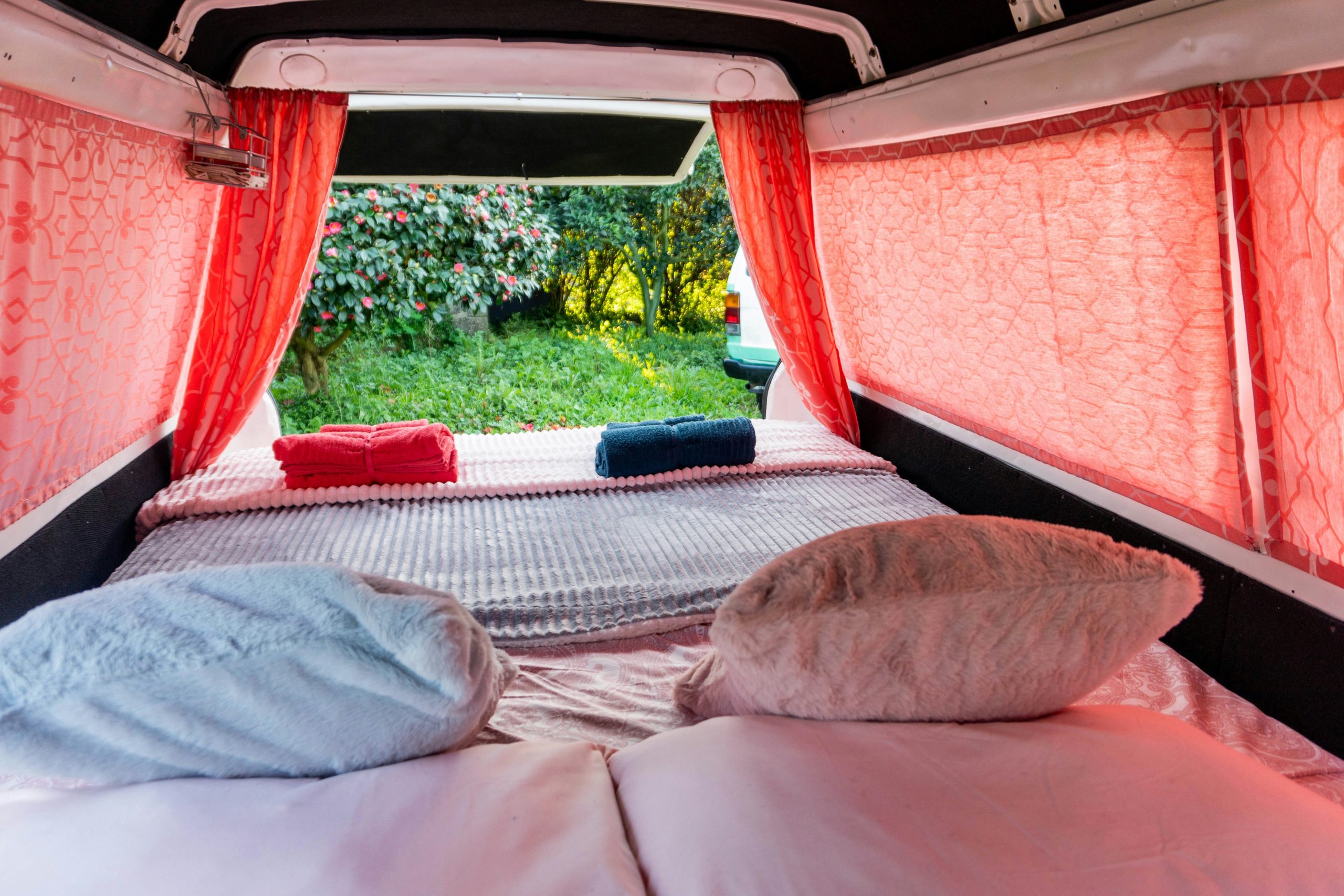
If there’s one thing that can make or break a car camping trip, it’s sleep.
You can have the perfect campsite, beautiful weather, and an incredible destination waiting for you in the morning, but if you spend the entire night tossing and turning, chances are you’re not going to enjoy much of it. One of the biggest mistakes new car campers make is assuming they’ll figure out their sleeping arrangement once they hit the road. Unfortunately, a poor night’s sleep tends to affect everything else, from your mood to your energy level and even your ability to drive safely.
The good news is that finding the right sleeping setup doesn’t require a luxury van conversion or thousands of dollars in gear. In fact, some of the most comfortable setups I’ve seen have been surprisingly simple. What matters most is understanding your needs, your vehicle, and the type of travel you plan to do.
The perfect sleeping setup looks different for everyone. Someone taking occasional weekend trips may have completely different priorities than someone spending weeks or months on the road. The goal isn’t finding the universally “best” setup. The goal is finding the setup that allows you to sleep comfortably and wake up feeling rested.
Start With Your Vehicle
Before buying mattresses, sleeping pads, or fancy camping gear, it’s important to evaluate the space you actually have available.
Different vehicles offer very different possibilities.
A minivan may allow you to stretch out completely.
A hatchback may require a more creative arrangement.
A sedan may limit how much room you have to work with.
One of the first things I recommend is physically measuring your available sleeping space. Don’t rely on assumptions. Grab a tape measure and determine exactly how much length and width you’re working with.
You may discover that your vehicle offers more room than you realized. On the other hand, you may find that certain sleeping arrangements simply aren’t practical.
Understanding your available space helps prevent expensive purchases that don’t actually fit your setup.
Consider How You Sleep at Home
One mistake I see beginners make all the time is trying to become a completely different person while camping.
If you sleep on your side at home, you’ll probably sleep on your side while traveling.
If you need a soft mattress at home, you’ll likely prefer a softer sleeping surface on the road.
If you struggle with back pain in your own bed, sleeping on a thin camping pad probably isn’t going to improve the situation.
Many people focus on what looks good in social media photos instead of what will actually allow them to sleep comfortably.
The reality is that your sleeping preferences don’t disappear just because you’re traveling.
Whenever possible, build your sleeping setup around your existing habits rather than trying to force yourself into something completely different.
Your Sleeping Setup Should Prioritize Comfort
A lot of travel content focuses on saving space.
Space matters.
Comfort matters more.
The entire purpose of your sleeping setup is to help you recover after a long day of driving, hiking, exploring, or working. If you’re sacrificing sleep quality to save a few inches of storage space, you may be creating more problems than you’re solving.
That doesn’t mean you need the thickest mattress available. It simply means you should prioritize rest when making decisions about your setup.
After all, you’ll spend roughly a third of your trip sleeping.
That’s a significant portion of your time.
Investing in comfort is rarely wasted.
Foam Mattresses
For many car campers, foam mattresses provide one of the best balances between comfort and practicality.
Foam offers several advantages:
- Comfortable support
- No inflation required
- Durable construction
- Easy setup
- Consistent performance
Many travelers use memory foam mattress toppers or foam camping mattresses because they provide a sleeping experience that feels relatively close to a traditional bed.
The downside is that foam can take up more space than inflatable options.
However, many people find that the increased comfort is worth the trade-off.
If your vehicle has enough room, foam is often one of the easiest ways to improve sleep quality.
Air Mattresses
Air mattresses remain popular because they’re affordable and compact.
When deflated, they take up very little space.
For occasional trips, they can work well.
However, they aren’t perfect.
Air mattresses can:
- Lose air overnight
- Develop leaks
- Feel cold in certain conditions
- Provide inconsistent support
Some travelers love them.
Others abandon them after a few frustrating nights.
If you’re considering an air mattress, it may be worth testing it at home before relying on it for a longer trip.
The last thing you want is to discover a slow leak while camping miles from the nearest store.
Sleeping Pads
Sleeping pads are often associated with backpacking, but they can also work well for vehicle travel.
Modern sleeping pads are far more comfortable than many people expect.
They offer:
- Lightweight design
- Compact storage
- Insulation from cold surfaces
- Quick setup
While they may not provide the same level of cushioning as thicker mattresses, they can be a great option for travelers with limited space.
Some people even combine sleeping pads with foam toppers to create a customized sleeping setup that balances comfort and storage efficiency.
Think About Temperature
Your mattress isn’t the only factor affecting sleep quality.
Temperature plays a huge role as well.
A comfortable sleeping setup in spring may feel completely different during summer heat or fall cold snaps.
When evaluating your setup, consider:
- Bedding
- Ventilation
- Insulation
- Seasonal conditions
Many beginners focus entirely on the mattress while overlooking these equally important factors.
The most comfortable bed in the world won’t help much if you’re freezing or overheating all night.
Creating a complete sleep system tends to be more effective than focusing on a single piece of gear.
Don’t Forget About Pillows
Pillows are one of the most overlooked aspects of car camping comfort.
Many people spend hours researching mattresses and then grab the cheapest travel pillow they can find.
If you’re anything like me, a bad pillow can ruin an otherwise good night’s sleep.
Whenever possible, bring a pillow you already know you like.
The small amount of extra space is often worth the improvement in comfort.
One of the advantages of vehicle travel is that you don’t have to count every ounce like a backpacker.
Take advantage of that freedom when it improves your quality of life.
Test Before Your Trip
One of the easiest ways to avoid disappointment is to test your setup before you leave.
This sounds obvious, but many people skip this step.
Spend a night sleeping in your driveway.
Try your setup during a weekend trip close to home.
Pay attention to:
- Comfort
- Space limitations
- Ventilation
- Temperature management
- Ease of setup
Small test runs often reveal problems that would otherwise appear during a longer adventure.
Making adjustments at home is much easier than troubleshooting issues hundreds of miles away.
Your Setup Will Evolve
One thing I wish someone had told me earlier is that your first sleeping setup probably won’t be your final one.
And that’s okay.
Most travelers refine their systems over time.
You may discover:
- A different mattress works better.
- You need more insulation.
- Your pillow isn’t comfortable.
- A new layout creates more space.
Every trip teaches you something.
The goal isn’t perfection from day one.
The goal is improvement.
The more nights you spend sleeping in your vehicle, the better you’ll understand what works for your body and your travel style.
Don’t Compare Yourself to Social Media
If you spend enough time online, you’ll eventually convince yourself that everyone else has a perfect setup.
They don’t.
Social media tends to show beautifully organized vehicles, expensive van conversions, and picture-perfect sleeping arrangements.
What it rarely shows are the countless adjustments, mistakes, and upgrades that happened along the way.
Your setup doesn’t need to look impressive.
It needs to work.
A simple mattress, comfortable bedding, and a good night’s sleep will always be more valuable than a fancy setup that photographs well but leaves you exhausted.
Focus on functionality first.
Everything else is secondary.
Final Thoughts
Choosing the right sleeping setup is one of the most important decisions you’ll make as a car camper. The quality of your sleep affects nearly every aspect of your travel experience, from your energy level and mood to your overall enjoyment of the journey.
Start by understanding your vehicle, your sleeping preferences, and the conditions you’ll be traveling in. Don’t be afraid to test different options and make adjustments as you gain experience. The perfect sleeping setup isn’t necessarily the most expensive or the most popular. It’s the one that helps you wake up rested, comfortable, and excited for the day ahead.
At the end of the day, successful car camping isn’t about how impressive your setup looks. It’s about creating a space that allows you to enjoy the freedom of the road while still getting the rest you need.
Safe travels!



Leave a Reply