
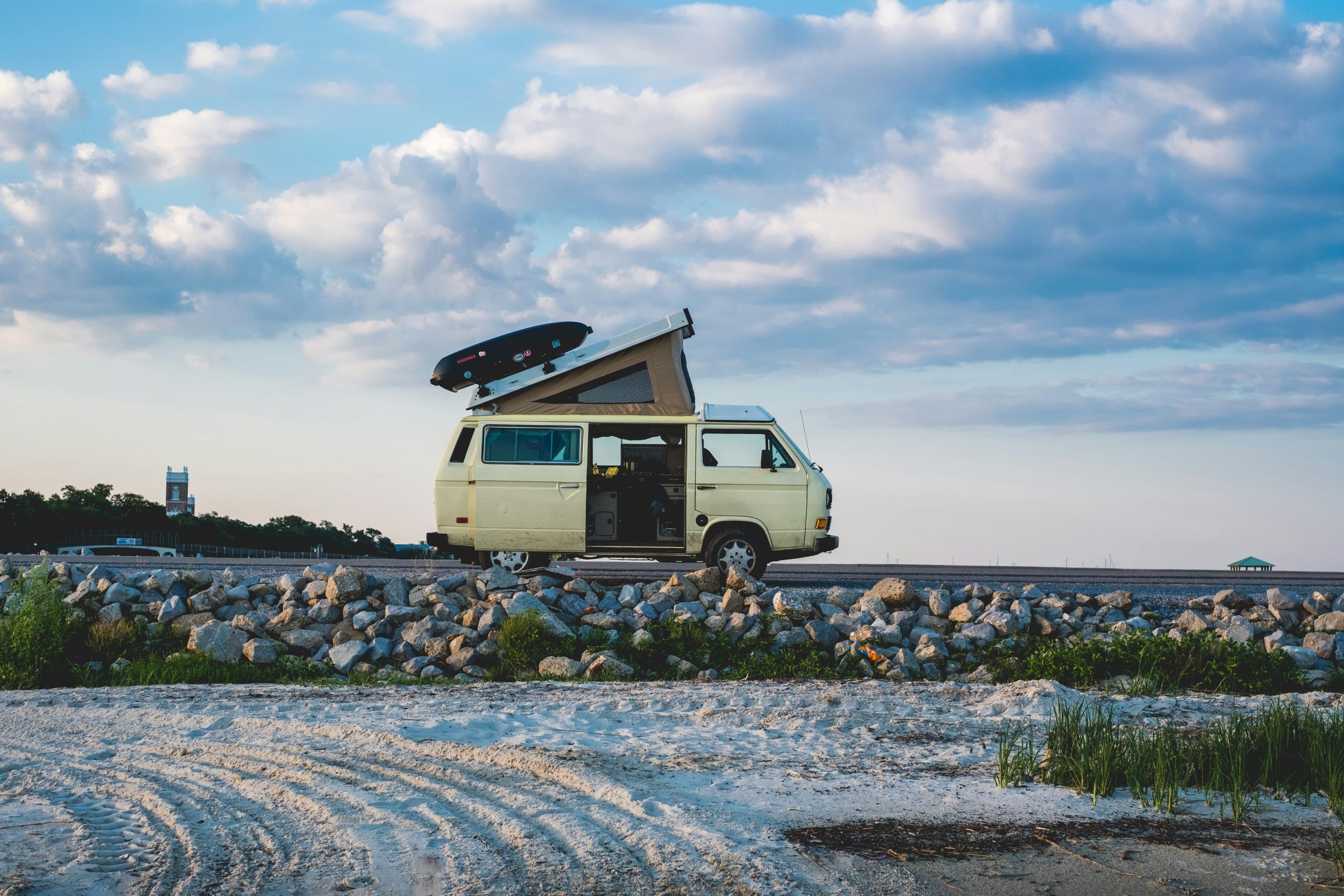
One of the best things about car camping is that the barrier to entry is incredibly low. You don’t need a custom-built van, thousands of dollars in gear, or years of outdoor experience to get started. In many cases, all you really need is a vehicle, a place to spend the night, and a willingness to try something new.
Unfortunately, that accessibility can also create a false sense of confidence.
Many people assume car camping is so simple that there’s no need to prepare, only to discover halfway through their first trip that they’ve overlooked something important. The good news is that most mistakes aren’t dangerous or expensive. They’re simply learning experiences that help shape future adventures.
If you’re new to car camping, understanding the most common mistakes can save you a lot of frustration and help make your first few trips far more enjoyable.
Over-packing Everything
Perhaps the most common beginner mistake is bringing too much stuff.
This usually comes from a good place. Nobody wants to be unprepared. The problem is that many first-time campers pack for every possible situation instead of focusing on realistic needs.
Before they know it, their vehicle is filled with extra blankets, backup cooking equipment, duplicate clothing, multiple coolers, and random items they never actually use.
The result is a cluttered vehicle that’s difficult to organize and frustrating to live in.
When space is limited, every item matters. A vehicle packed to the ceiling can quickly start feeling smaller than it actually is.
The reality is that most people use the same small group of items repeatedly during a trip. The rest simply gets moved from one place to another.
If you’re new to car camping, start simple. Bring the essentials and allow your experience to guide future purchases. You’ll quickly discover what deserves space in your vehicle and what can stay home.
Waiting for the Perfect Setup
Social media has convinced a lot of people that they need the perfect vehicle before they can start traveling.
They spend months researching vans.
They compare rooftop tents.
They watch build videos.
They create shopping lists that cost thousands of dollars.
Meanwhile, people in old hatchbacks are already out exploring. One of the biggest mistakes aspiring travelers make is delaying experiences while waiting for ideal circumstances. The truth is that your first trip probably won’t be perfect no matter what vehicle you own. There will always be something you wish you had done differently.
Experience teaches you far more than endless planning ever will. The best setup is often the one you already have.
Car Camping Without Testing Your Setup
Many beginners pack their vehicle for the first time at the campsite. That might not sound like a problem until you realize it’s getting dark, you’re tired, and you’re trying to figure out where everything goes. Whenever possible, test your setup before leaving home.
Set up your sleeping area.
Organize your gear.
Lie down where you plan to sleep.
Practice reaching items you’ll need during the night.
A simple test run in your driveway can reveal dozens of potential problems before they become actual frustrations. You may discover that your mattress slides around. You may realize your storage bins block access to important items. You may learn that your sleeping position isn’t nearly as comfortable as you expected. All of these are easier to solve before your trip begins.
Ignoring Weather Forecasts
Weather has a way of humbling even experienced campers. Many beginners check the daytime forecast and assume they’ll be fine. Then nighttime arrives and the temperatures drop. Wind picks up or rain appears unexpectedly.
Suddenly a comfortable afternoon becomes a long, uncomfortable evening. Car camping requires planning for more than ideal conditions.
Before every trip, check:
- Daytime temperatures
- Overnight lows
- Rain forecasts
- Wind conditions
- Severe weather alerts
A few extra layers of clothing can make a tremendous difference when temperatures drop unexpectedly. Likewise, a simple tarp or rain jacket can save an entire trip when the forecast changes.
Choosing a Location That’s Too Remote
There’s something appealing about finding a secluded spot far away from civilization. Unfortunately, many beginners mistake isolation for adventure.
For your first few trips, there’s nothing wrong with staying somewhere that offers basic amenities and nearby resources. Having access to:
- Bathrooms
- Cell service
- Water
- Nearby stores
can dramatically reduce stress while you’re still learning. As your confidence grows, you’ll naturally become more comfortable exploring remote locations. There’s no prize for making your first trip harder than it needs to be.
Not Thinking About Sleep
When people imagine camping, they often focus on destinations and activities. Sleep becomes an afterthought. Then they spend an entire night tossing and turning on an uncomfortable surface. Poor sleep affects everything. It impacts mood, energy levels, decision making and enjoyment.
A surprisingly large percentage of camping complaints can be traced back to inadequate sleep setups. Investing in a comfortable mattress, sleeping pad, or bedding system is often more valuable than purchasing fancy gadgets. If you’re comfortable and well-rested, small inconveniences become much easier to handle.
Failing to Stay Organized
Clutter accumulates quickly in small spaces. A few loose items here and there may not seem important, but after a day or two, disorganization can become overwhelming. Many beginners simply toss items wherever there’s space. At first it works. Then they spend twenty minutes looking for a flashlight. Or they unpack half the vehicle searching for a phone charger.
Creating simple organization systems from the beginning can save a tremendous amount of frustration. Give everything a designated place. Return items to that place after use. The habit may seem insignificant, but it can dramatically improve your overall camping experience.
Complicating Meals
Social media has done some strange things to outdoor cooking. Somehow, many people have become convinced that every camping meal should resemble a cooking show. As a result, beginners often pack complicated ingredients, elaborate cookware, and recipes that require extensive preparation. Then they arrive at camp exhausted from driving and discover they don’t actually want to spend an hour making dinner. Simple meals are often the best camping meals.
There’s nothing wrong with sandwiches.
There’s nothing wrong with instant oatmeal.
There’s nothing wrong with pasta.
The easier your meals are to prepare and clean up, the more time you’ll spend enjoying your surroundings.
Ignoring Safety Basics
Most car camping trips are uneventful from a safety standpoint. Still, basic precautions are worth taking. One common mistake is failing to tell anyone where you’re going. Another is arriving at unfamiliar locations after dark without understanding local rules or conditions.
Simple habits can significantly improve safety:
- Share your plans
- Keep your phone charged
- Carry a first aid kit
- Know local regulations
- Trust your instincts
If a location feels wrong, leave.
You don’t need to justify your discomfort. There will always be another place to spend the night.
Expecting Everything to Go Perfectly
Perhaps the biggest mistake beginners make is expecting perfection. They imagine waking up to a beautiful sunrise after a flawless night of sleep. They envision themselves effortlessly cooking breakfast while birds sing in the background.
Sometimes that happens.
Sometimes it rains.
Sometimes you forget your coffee.
Sometimes your mattress isn’t comfortable.
Sometimes a campground neighbor snores loud enough to rattle the trees. That’s part of the experience. Every trip includes lessons. The goal isn’t perfection. The goal is learning, adapting, and gradually building confidence. The people who become successful long-term travelers aren’t the ones who avoid mistakes. They’re the ones who learn from them.
Comparing Yourself to Other Travelers
It’s easy to look at other people’s setups and feel like you’re doing something wrong.
Someone always has a nicer vehicle.
Someone always has better gear.
Someone always seems to have figured everything out.
What social media rarely shows is the learning curve behind those setups. Most experienced travelers started with simple equipment and gradually refined their systems over time. Your first trip doesn’t need to look like someone else’s tenth year on the road. Focus on your own experience. Pay attention to what works. Pay attention to what doesn’t. Build your setup around your actual needs rather than someone else’s lifestyle.
Final Thoughts
Every experienced traveler has made mistakes while learning the ropes of car camping. Most of those mistakes weren’t catastrophic. They were simply part of the process.
Whether it’s over-packing, choosing an uncomfortable sleeping setup, over-complicating meals, or expecting perfection, these challenges are incredibly common among beginners. The good news is that each trip teaches valuable lessons that help improve future adventures.
Car camping is one of the easiest and most affordable ways to explore the outdoors, and you don’t need a flawless setup to enjoy it. Start with what you have, stay flexible, and allow yourself room to learn along the way.
The mistakes you make during your first few trips often become the stories you laugh about later. More importantly, they’re what transform a beginner into a confident traveler.
Safe travels!

Leave a Reply