
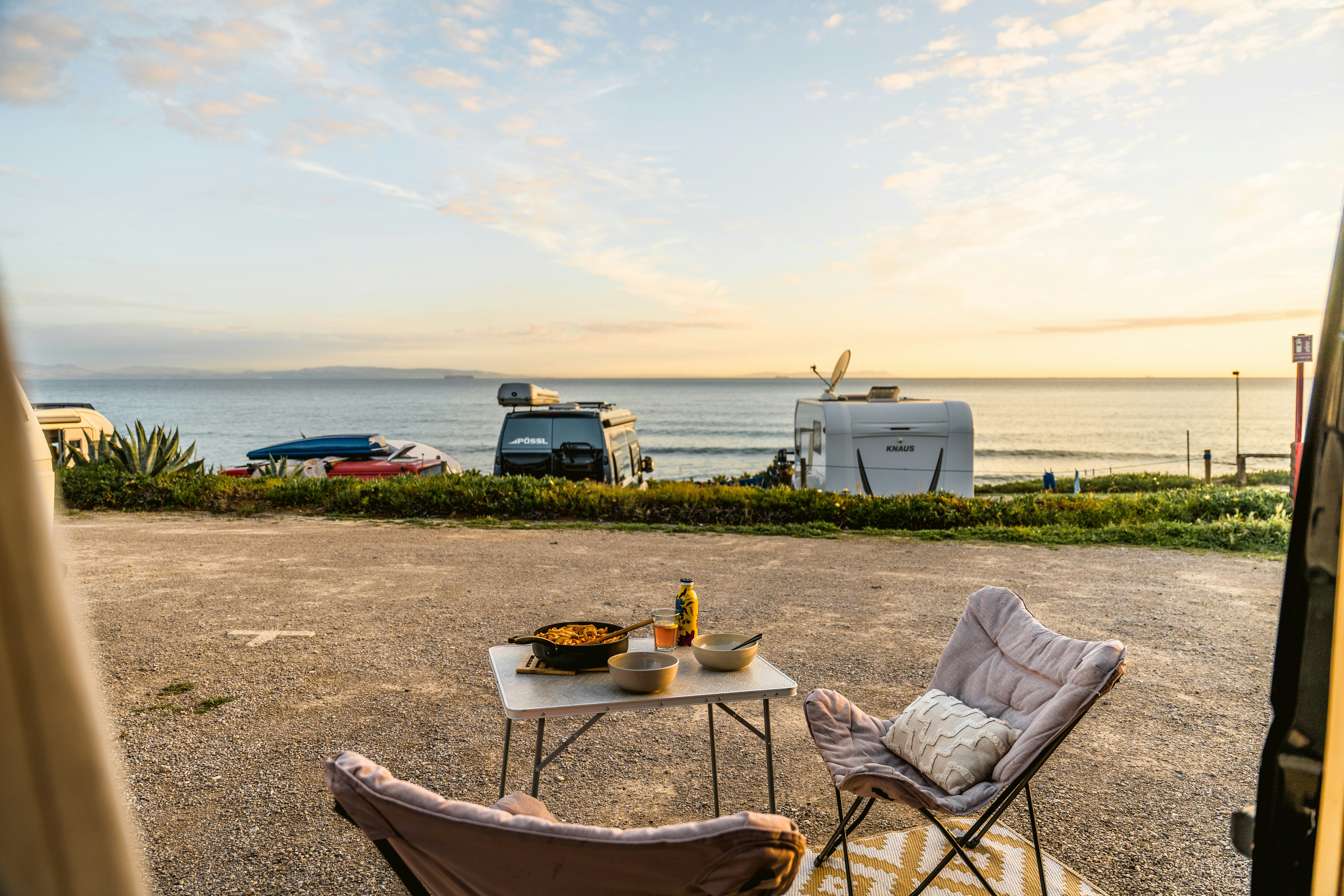
One of the things I love most about car camping is the sense of community that often develops among travelers. Even when people are parked in separate campsites and minding their own business, there’s usually an unspoken understanding that everyone is there for the same reason: to enjoy the outdoors, relax, and spend some time away from the chaos of everyday life.
Unfortunately, not everyone gets the memo.
Most campgrounds and public lands have official rules posted somewhere, but the reality is that some of the most important expectations aren’t written down. They’re simply understood by people who spend time outdoors regularly. These unwritten rules make shared spaces more enjoyable and help ensure everyone has a positive experience.
The challenge for beginners is that nobody hands you a guidebook explaining these social expectations. You’re expected to somehow know them, and learning through trial and error can be uncomfortable.
The good news is that camping etiquette is mostly based on common courtesy. If you’ve ever shared a neighborhood, apartment building, workplace, or public space with other people, many of the same principles apply.
Respect the land.
Respect other campers.
Don’t make your problems someone else’s problem.
It sounds simple, but those three ideas cover most situations you’ll encounter on the road.
Remember That You’re Sharing the Space
One of the easiest mistakes new campers make is treating public spaces like private property.
Whether you’re staying in a campground, dispersed camping area, rest area, or public recreation site, chances are you’re sharing the area with other people.
That means your choices affect more than just you.
Your music affects nearby campers.
Your trash affects future visitors.
Your dog’s behavior affects other travelers.
Your late-night conversations affect people trying to sleep.
Good camping etiquette starts with recognizing that your experience is connected to everyone else’s experience.
The goal isn’t to avoid having fun.
The goal is to enjoy yourself without diminishing someone else’s enjoyment in the process.
Respect Quiet Hours—Even When Nobody Is Watching
Most campgrounds have official quiet hours.
Even when they don’t, it’s generally safe to assume people don’t want to hear your Bluetooth speaker at midnight.
One of the fastest ways to become unpopular at a campground is excessive noise.
Common noise issues include:
- Loud music
- Generator use during quiet hours
- Yelling across campsites
- Vehicle doors repeatedly slamming
- Late-night social gatherings
The outdoors naturally carries sound farther than many people realize.
What feels like a normal conversation at your campsite may be clearly audible several sites away.
A good rule of thumb is to assume people came outdoors to enjoy nature, not your playlist.
Camping Etiquette Starts With Choosing a Campsite
Believe it or not, etiquette begins before you’ve even turned off the engine.
The way you choose a campsite can have a huge impact on other campers.
Imagine arriving at a nearly empty campground with dozens of available spaces. You pick a site, get settled in, and enjoy a quiet evening.
An hour later, another camper arrives and chooses the site directly next to yours despite dozens of open alternatives.
Most people would find that a little strange.
Whenever possible, give others space.
If multiple campsites are available, there’s usually no reason to park directly beside someone.
People often choose camping specifically to enjoy a little breathing room.
Respecting that desire creates a better experience for everyone.
Keep Your Campsite Contained
One thing experienced campers appreciate is when people stay within the boundaries of their own campsite.
This sounds obvious, but it happens more often than you might think.
Items that commonly drift into neighboring spaces include:
- Chairs
- Coolers
- Hammocks
- Pets
- Outdoor gear
When your setup begins expanding into common areas or neighboring campsites, it can create unnecessary tension.
Think of your campsite like a temporary yard.
Enjoy it fully, but be mindful of where your space ends and someone else’s begins.
Don’t Walk Through Other Campsites
This is one of the most basic rules of camping etiquette, yet it’s often ignored.
Even if cutting through someone’s campsite would save time, avoid doing it whenever possible.
People view campsites as temporary personal spaces.
Walking through them without permission can feel surprisingly intrusive.
Instead, use:
- Roads
- Designated pathways
- Public access routes
A few extra steps are a small price to pay for respecting someone else’s privacy.
Manage Your Lights at Night
Most people understand the importance of controlling noise.
Fewer people think about light.
Bright lights can be just as disruptive as loud sounds.
Common issues include:
- Floodlights
- High-powered lanterns
- Vehicle headlights
- Excessive campsite lighting
Many campers specifically seek out dark skies and peaceful evenings.
Blasting your campsite with enough light to land an aircraft tends to undermine that experience.
Use only the lighting you need.
When possible, point lights downward and avoid shining them toward neighboring campsites.
Be Responsible With Pets
Traveling with dogs can be one of the most rewarding parts of life on the road.
It can also create challenges if owners aren’t considerate.
Responsible pet etiquette includes:
- Cleaning up waste
- Keeping dogs under control
- Preventing excessive barking
- Respecting leash requirements
- Not allowing pets to wander through campsites
Not everyone loves dogs.
Even people who do may not appreciate being approached unexpectedly while they’re trying to relax.
Good pet owners help ensure dogs remain welcome in outdoor spaces.
Leave Shared Facilities Better Than You Found Them
Whether you’re using campground bathrooms, picnic areas, water stations, or dump facilities, a little courtesy goes a long way.
Think about the next person.
Would you want to use the facility in its current condition?
Simple habits matter:
- Clean up spills
- Dispose of trash properly
- Return items where they belong
- Report serious issues when appropriate
Shared spaces work best when everyone contributes.
Respect Nature, Not Just People
Camping etiquette isn’t only about social behavior.
It also includes how we interact with the environment.
Many outdoor areas are experiencing increased visitation, which means responsible recreation matters more than ever.
Some simple ways to show respect include:
- Packing out trash
- Staying on established roads and trails
- Avoiding damage to vegetation
- Following local regulations
- Practicing Leave No Trace principles
The goal is to leave places looking as natural as possible.
Future visitors should be able to enjoy the same experience you did.
Don’t Assume Everyone Wants to Socialize
One of the unique aspects of camping culture is that people tend to be friendly.
It’s common to wave at neighbors, exchange travel stories, or chat about destinations.
Those interactions can be wonderful.
However, not everyone is looking for a new friend.
Some travelers are:
- Working remotely
- Spending time with family
- Seeking solitude
- Simply tired after a long day
A friendly greeting is usually welcome.
Forcing extended conversations isn’t.
Pay attention to social cues and respect people’s desire for privacy.
Help New Campers Feel Welcome
We were all beginners once.
Every experienced traveler has made mistakes.
Every camper has forgotten something.
Every van lifer has had an awkward learning moment.
When you encounter someone who’s clearly new, a little kindness can make a big difference.
You don’t need to become their personal guide.
Sometimes a simple tip, friendly greeting, or helpful suggestion is enough.
Outdoor communities tend to thrive when experienced travelers remember what it felt like to be new.
The Golden Rule of Camping
If there is one principle that summarizes good camping etiquette, it’s this:
Leave things better than you found them.
That applies to campsites.
It applies to public lands.
It applies to shared facilities.
It applies to interactions with other campers.
When everyone follows that mindset, outdoor spaces remain enjoyable for everyone.
Camping becomes less about what you can get from a place and more about how you can help preserve it.
Final Thoughts
Camping etiquette isn’t complicated. Most of the unwritten rules come down to respect—respect for other campers, respect for shared spaces, and respect for the natural environments we’re fortunate enough to enjoy.
By keeping noise reasonable, giving others space, cleaning up after yourself, managing pets responsibly, and practicing Leave No Trace principles, you’ll already be doing better than many campers. These small acts of consideration help create the kind of outdoor community that makes camping enjoyable for everyone.
At the end of the day, good camping etiquette isn’t about following a strict set of rules. It’s about being the kind of camper you’d want as a neighbor.
Safe travels!


Leave a Reply