Complete Beginner’s Guide to Car Camping
Car camping is one of the easiest and most affordable ways to start exploring the outdoors. Unlike traditional backpacking, you don’t need expensive gear, years of experience, or a custom-built van to enjoy nights under the stars. If you own a vehicle and have a sense of adventure, you’re already closer to your first trip than you think.
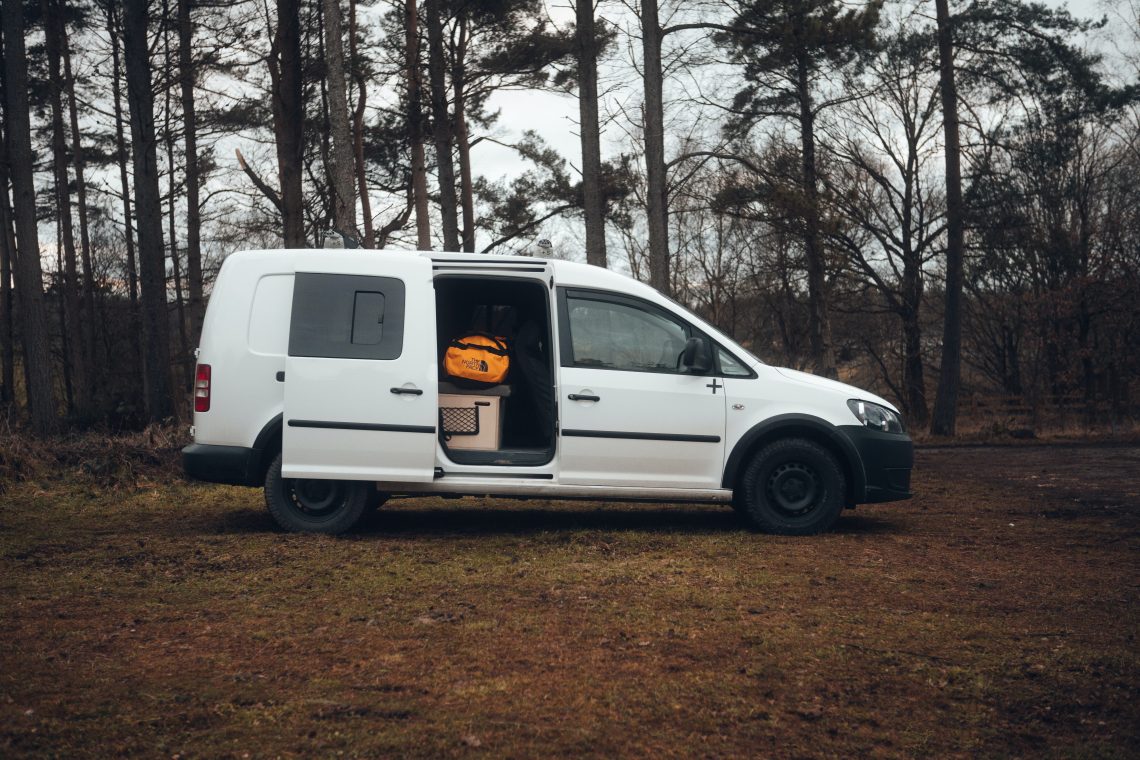
One of the biggest misconceptions about car camping is that you need a fancy setup to get started. Social media is full of decked-out vans and professionally converted rigs, but the reality is that many travelers begin with a sedan, hatchback, SUV, or minivan. What matters most isn’t what you drive—it’s getting out there and learning what works for you.
In this guide, I’ll walk you through everything you need to know before your first overnight adventure, from choosing a campsite to staying comfortable and safe on the road.
What Is Car Camping?
Car camping simply means using your vehicle as part of your camping setup. For some people, that means sleeping inside the vehicle. For others, it means driving to a campsite and sleeping in a tent nearby.
The beauty of car camping is flexibility.
You can:
- Sleep in your vehicle
- Sleep in a tent
- Travel on a small budget
- Explore remote destinations
- Bring more comfort items than backpackers
- Start with equipment you already own
Because your vehicle carries your gear, you don’t have to worry about carrying everything on your back. This makes it an excellent option for beginners.
Why Car Camping Is Perfect for Beginners
It’s Affordable
One of the biggest advantages of car camping is cost.
Instead of spending thousands of dollars on a van conversion or RV, you can begin with:
- A sleeping pad
- A blanket or sleeping bag
- A cooler
- Basic cooking supplies
Many people already own most of what they need.
It’s Flexible
Unlike hotels, you can change plans quickly. Want to stay another day? Stay. Found a better campsite? Move. Weather changed?Drive somewhere else. The flexibility is one of the reasons so many people fall in love with road travel.
It’s Less Intimidating Than Van Life
Full-time van life comes with challenges like mail forwarding, shower access, vehicle maintenance, and budgeting for life on the road. Car camping allows you to test the waters before making a bigger commitment.
Essential Car Camping Gear
The good news is you don’t need much to get started. You have the roof covered, so now you just need to figure out how you are going to sleep, do work, make food, charge your gear and you’ll definitely want lighting covered – both illuminating your space without having the overhead light on but blocking out the sun and unwanted peeping eyeballs.
Sleeping Setup
At minimum you’ll want:
- Sleeping bag
- Blanket
- Pillow
- Sleeping pad or air mattress
A good sleeping setup can make or break your trip.
Food Storage
Bring:
- Cooler
- Ice packs
- Water container
- Snacks
Simple foods are best for beginners.
Think:
- Sandwiches
- Fruit
- Trail mix
- Instant oatmeal
- Granola bars
Lighting
A rechargeable lantern is one of the most useful items you can bring.
Also consider:
- Headlamp
- Flashlight
- Extra batteries
Safety Equipment
Never leave home without:
- First aid kit
- Tire inflator
- Jumper cables
- Emergency blanket
- Multi-tool
These items don’t take much space but can save a trip.
Planning Your First Car Camping Trip
A successful trip starts with preparation. For your first outing, choose a campground that offers:
- Bathrooms
- Potable water
- Cell service
- Nearby stores
This removes a lot of stress while you learn.
Start Small
Your first trip doesn’t need to be a cross-country adventure. Try:
- One night
- Close to home
- Familiar area
The goal is experience, not distance.
Check the Weather
Weather can dramatically affect comfort.
Before leaving:
- Check temperatures
- Watch for storms
- Bring extra layers
Being prepared can turn a difficult trip into an enjoyable one.
How to Sleep Comfortably
Many people worry they won’t sleep well. That’s a valid concern. Sleeping comfortably takes practice.
Level Your Vehicle
Even a slight incline can feel dramatic while sleeping. Bring leveling blocks or park carefully.
Create Privacy
Window coverings help:
- Block light
- Improve insulation
- Increase privacy
Reflectix is a popular option among car campers.
Improve Ventilation
Cracked windows improve airflow and reduce condensation.
Consider:
- Window vent screens
- Small rechargeable fans
Comfort often comes down to managing temperature and airflow.
Car Camping Safety Tips
Safety should always be a priority.
Tell Someone Your Plans
Share:
- Destination
- Expected return date
- Emergency contact information
Trust Your Instincts
If a location feels unsafe, leave. You don’t need a better reason.
Lock Your Doors
This sounds obvious, but always lock your vehicle before going to sleep.
Keep Essentials Accessible
Have easy access to:
- Keys
- Phone
- Flashlight
- Water
Being prepared helps reduce anxiety and improves overall safety.
Common Beginner Mistakes
Many first-time campers make similar mistakes.
Bringing Too Much Stuff
You don’t need every gadget on Amazon. Start simple. You’ll quickly learn what you actually use.
Ignoring Weather Conditions
Cold nights surprise many beginners. Bring more layers than you think you’ll need.
Poor Food Planning
Complicated meals create unnecessary stress. Simple food means less cleanup and more enjoyment.
Choosing a Remote Location Too Soon
It’s tempting to seek solitude immediately. For your first few trips, stick to established campgrounds. Experience builds confidence.
How Much Does Car Camping Cost?
One of the reasons people choose car camping is affordability. A basic starter setup might include:
- Sleeping pad: $30–$100
- Cooler: $20–$80
- Lantern: $15–$50
- Camp chair: $20–$60
Many campgrounds cost between $15 and $40 per night. Compared to hotels, the savings add up quickly. Even a weekend trip can cost less than a single hotel stay.
Is Car Camping Right for You?
If you enjoy:
- Road trips
- Nature
- Budget travel
- Flexibility
- Simplicity
Then there’s a good chance you’ll love car camping. You don’t need a perfect setup. You don’t need a huge budget. And you definitely don’t need a fancy van. The best way to learn is to start.
Final Thoughts
Car camping offers one of the most accessible ways to experience freedom, adventure, and travel without spending a fortune. Whether you’re dreaming about weekend getaways, national park adventures, or eventually transitioning into van life, learning the basics of car camping is a valuable first step.
Start small, keep your setup simple, and focus on enjoying the experience rather than creating a picture-perfect campsite. Every trip teaches you something new, and before long you’ll develop a setup that works perfectly for your travel style.
The road doesn’t require perfection—it just requires that you start. So get out there!
Save Travels!


You May Also Like
Van Life vs Car Camping: Which Is Right for You?
How to Create a Simple Car Camping Kitchen