
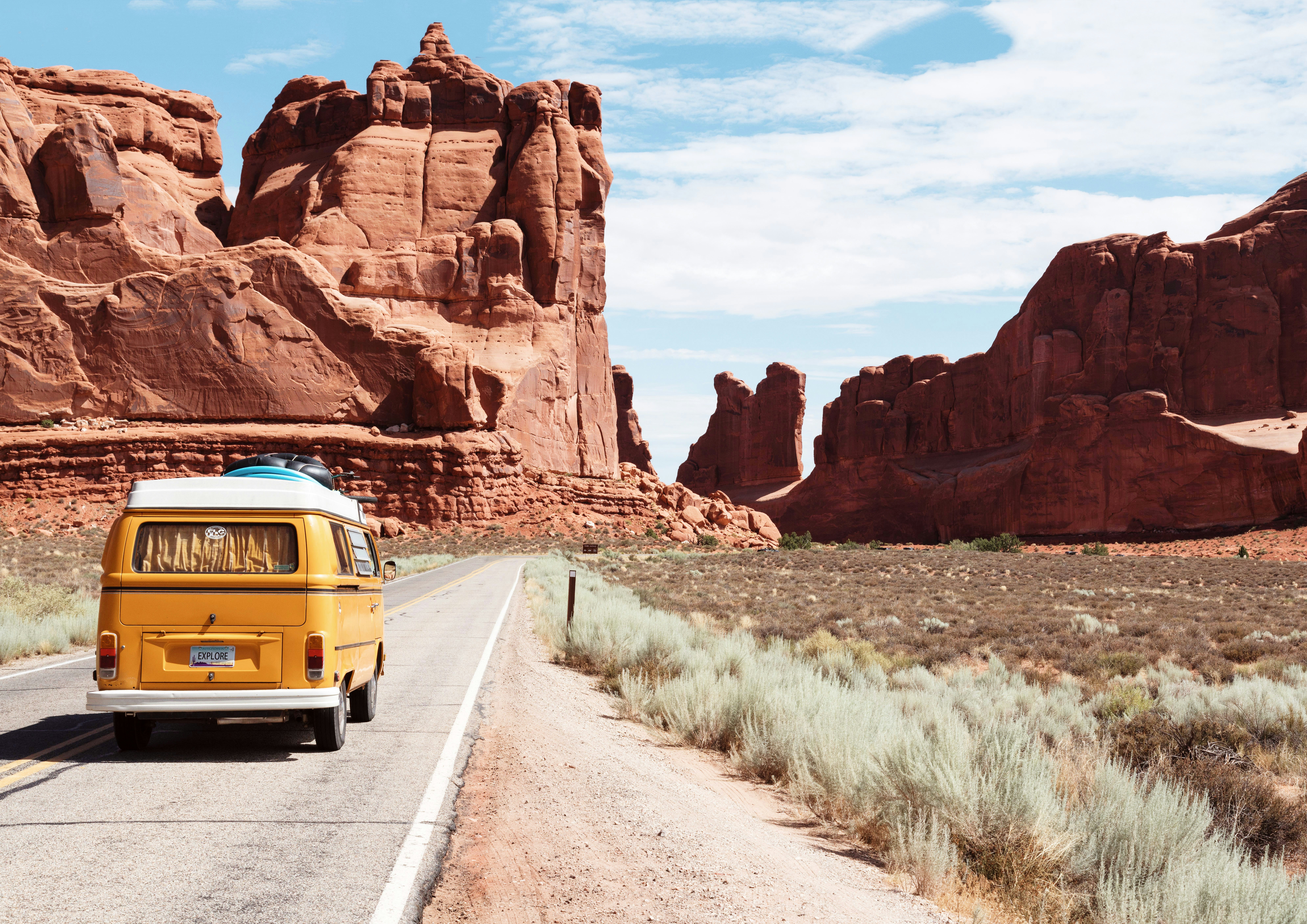
How to Prepare for a Long Road Trip
There’s something exciting about the days leading up to a road trip.
Maps are open. Destinations are being researched. Snacks are purchased. Playlists are created. Whether you’re planning a weekend getaway or a cross-country adventure, the anticipation is often part of the fun.
Unfortunately, excitement can sometimes lead people to overlook preparation.
Many travelers spend hours deciding where they want to go but very little time thinking about how they’re going to get there. Then, somewhere between the second gas station stop and the third forgotten item, they realize that a little planning would have made the entire experience much easier.
The good news is that preparing for a road trip doesn’t require spreadsheets, military-level logistics, or months of planning. In fact, some of the best trips I’ve taken have been relatively spontaneous. The key is preparing for the things that matter while leaving enough room for flexibility and adventure.
A well-prepared traveler isn’t someone who controls every detail. It’s someone who has reduced unnecessary stress so they can enjoy the journey when unexpected things inevitably happen.
Whether you’re heading out for a few days or several weeks, a little preparation can go a long way.
Start With Your Vehicle
Before planning routes, campsites, attractions, or scenic stops, start with the thing that will actually get you there.
Your vehicle.
A road trip places additional demands on a vehicle, especially if you’re traveling long distances or carrying extra gear.
At a minimum, consider checking:
- Tire condition
- Tire pressure
- Oil level
- Coolant level
- Windshield washer fluid
- Battery condition
- Lights and signals
If you’re approaching a scheduled maintenance interval, it’s often worth taking care of it before you leave.
Preventative maintenance is usually cheaper and less stressful than dealing with a breakdown hundreds of miles from home.
Even if you’re not mechanically inclined, a basic inspection can provide peace of mind before a major trip.
Have a Flexible Route
One of the most common mistakes new travelers make is overplanning.
Every hour is scheduled.
Every destination is mapped.
Every stop is predetermined.
While organization can be helpful, overly rigid plans often create frustration.
Traffic happens.
Weather changes.
Interesting detours appear.
You may discover a place you want to stay longer than expected.
Instead of creating a minute-by-minute itinerary, focus on establishing a general route and identifying key destinations.
This approach provides structure while still allowing room for spontaneity.
Some of my favorite travel memories happened because I left space for the unexpected.
A Successful Road Trip Balances Planning and Flexibility
One of the reasons road trips are so appealing is the freedom they provide.
Unlike air travel, you’re not locked into a specific schedule.
You can stop when something catches your attention.
You can stay longer in a place you love.
You can change plans entirely if you want to.
Preparation should support that freedom rather than eliminate it.
The goal isn’t to predict every possible scenario.
The goal is to reduce avoidable problems while remaining adaptable when circumstances change.
When you approach travel with that mindset, setbacks tend to feel less like disasters and more like part of the adventure.
Pack Less Than You Think You Need
Almost everyone overpacks for their first major road trip.
It’s understandable.
When you’re away from home, it’s tempting to prepare for every possible situation.
The problem is that excess gear creates clutter.
Clutter makes it harder to find things.
It makes small vehicles feel smaller.
It often adds stress rather than convenience.
Instead of packing for every imaginable scenario, focus on necessities.
Bring:
- Appropriate clothing
- Basic toiletries
- Essential electronics
- Safety supplies
- Important documents
Remember that most forgotten items can be purchased along the way if absolutely necessary.
The freedom that comes from an organized vehicle is often worth more than carrying a dozen “just in case” items.
Organize Before You Leave
Packing efficiently isn’t just about bringing less.
It’s also about knowing where everything is.
Before your trip, designate specific locations for important items.
For example:
- First aid supplies
- Vehicle documents
- Charging cables
- Snacks
- Water
- Emergency equipment
When everything has a designated place, daily life on the road becomes significantly easier.
You spend less time searching for things and more time enjoying your trip.
Organization may not feel exciting before departure, but you’ll appreciate it later.
Plan for Food and Water
Food is one of the most overlooked aspects of road trip preparation.
Many travelers assume they’ll simply stop whenever they get hungry.
While that works in some areas, it becomes more complicated in remote regions where services may be limited.
Before leaving, consider stocking up on:
- Drinking water
- Shelf-stable snacks
- Easy meals
- Emergency food supplies
Even if you plan to eat at restaurants occasionally, having food available can save money and reduce stress.
There’s something comforting about knowing you have a meal available even if your plans change unexpectedly.
Prepare for Emergencies
Nobody likes thinking about worst-case scenarios.
Fortunately, emergency preparation doesn’t have to be complicated.
A few basic supplies can make a huge difference if something goes wrong.
Consider carrying:
- First aid kit
- Flashlight
- Jumper cables
- Tire inflator
- Basic tools
- Extra water
- Phone charger
The goal isn’t to prepare for every possible disaster.
It’s simply to be equipped to handle common problems without immediately turning a minor inconvenience into a major crisis.
Most emergency supplies spend their lives unused.
That’s perfectly fine.
Their value comes from being available when needed.
Download Important Information
Cell service can be surprisingly unreliable in some areas.
Even locations that appear well-covered on maps may have dead zones.
Before leaving, consider downloading:
- Offline maps
- Reservation confirmations
- Important phone numbers
- Camping information
- Travel documents
Having offline access to critical information can reduce stress when connectivity becomes limited.
This is particularly helpful if you’re exploring remote areas or planning to camp on public lands.
Budget Before You Travel
A road trip doesn’t have to be expensive, but costs can add up quickly if you’re not paying attention.
Common expenses include:
- Fuel
- Food
- Campgrounds
- Attractions
- Vehicle maintenance
Creating a rough budget before departure helps you avoid unpleasant surprises later.
You don’t need a perfect estimate.
Even a general understanding of expected costs can improve decision-making throughout the trip.
A budget isn’t meant to restrict fun.
It’s meant to help ensure your trip remains financially sustainable.
Prioritize Rest
One thing many people underestimate is how exhausting travel can be.
Driving for hours requires concentration.
Exploring new places requires energy.
Constant movement can become surprisingly draining.
It’s tempting to maximize every day by packing in as many activities as possible.
However, exhaustion often makes travel less enjoyable.
Allow time for:
- Relaxation
- Unplanned breaks
- Extra sleep
- Recovery days
A slightly slower trip is usually more enjoyable than a rushed one.
Remember, the goal isn’t simply to cover miles.
The goal is to enjoy the experience.
Expect Things to Go Wrong
This may sound pessimistic, but it’s actually one of the best road trip tips I can offer.
Something will probably go wrong.
You might encounter:
- Bad weather
- Traffic delays
- Mechanical issues
- Route changes
- Campground closures
The more you accept this reality ahead of time, the less stressful these situations become.
Travel rarely goes exactly according to plan.
The people who enjoy it most are often those who adapt rather than resist.
Flexibility is one of the most valuable travel skills you can develop.
The Journey Is Part of the Experience
It’s easy to become focused on destinations.
After all, that’s what most travel photos highlight.
The mountain.
The beach.
The national park.
The overlook.
But road trips offer something unique.
The journey itself becomes part of the adventure.
Small towns.
Roadside attractions.
Unexpected conversations.
Scenic backroads.
These moments often become some of the most memorable parts of the trip.
Preparing well allows you to appreciate those experiences rather than constantly dealing with preventable problems.
Final Thoughts
Preparing for a road trip isn’t about eliminating spontaneity. It’s about creating a foundation that allows you to enjoy the freedom of travel with fewer unnecessary stresses along the way.
By checking your vehicle, organizing your gear, carrying essential supplies, budgeting appropriately, and maintaining realistic expectations, you’ll be better equipped to handle both the planned and unplanned parts of the journey.
No road trip will ever be perfect, and that’s part of the charm. The goal isn’t flawless execution. The goal is creating an adventure that leaves you with great memories, interesting stories, and a desire to hit the road again.
Safe travels!

You May Also Like
Car Camping Etiquette: The Unwritten Rules

Be Safe As A Female Traveler: Create A Nomad Safety Plan